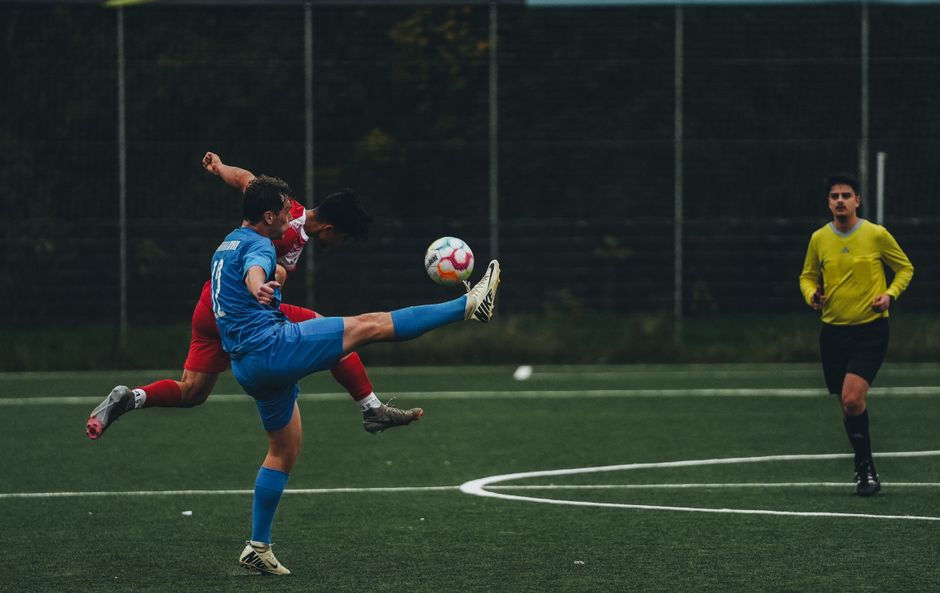
Most adult athletes in Coquitlam do not think of themselves as athletes. You play hockey on a Thursday night, you run a weekend soccer league, you box at a gym near Coquitlam Centre, or you spend Sundays at a rugby pitch. You have a job, a family and a calendar full of other things. Sport is the part of the week that belongs to you.
That is also why dental protection tends to get skipped. Kids have coaches and parents who remind them to pack a mouthguard. Adults, left to themselves, often play without one, or they wear whatever came in a sports store package a few years ago.
This post is a plain look at what a mouthguard is for, how the options differ, and why a custom-fitted one is worth a conversation with your dentist. It is general information, not advice for your particular mouth.
What a mouthguard actually does
A mouthguard is a soft barrier that sits between your upper and lower teeth. Its main job is to spread out the force of a blow so it does not land on one tooth, and to keep your lips and cheeks from being pushed against sharp tooth edges.
Dentists recommend them for sports where contact, falls or flying equipment are part of the game. Hockey, boxing, martial arts, rugby, basketball, lacrosse and soccer all qualify. Even cycling and skiing, popular on the North Shore and up the Sea-to-Sky, involve a fall now and then.
A mouthguard is not a medical device that prevents concussion, and nobody should promise that it does. What it is designed to do is protect teeth, lips and the soft tissue inside your mouth. That is a worthwhile goal on its own.
The injuries adults tend to underestimate
Adult dental injuries from sport are rarely dramatic. A chipped front tooth from an errant stick. A cracked filling after a collision. A cut inside the cheek that needs attention. A tooth that feels loose or sore after a fall and does not settle down.
These matter more for adults than many people expect, because adult mouths often hold dental work: crowns, bridges, fillings, implants. Repairing or replacing that work takes time and appointments, and it does not always match the original.
The jaw is part of this too. A hard hit to the chin can strain the joint where the jaw meets the skull. Pain, clicking or difficulty opening wide after a knock is a reason to see a dentist or doctor soon, rather than waiting to see if it passes.
Three kinds of mouthguard
There are three broad types, and the differences are practical rather than mysterious.
Stock mouthguards
These come ready-made in a few sizes. You wear them as they are. They are cheap and easy to find, but they do not match the shape of your teeth, so they can feel bulky. Many players find they have to clench to keep them in place, which is the opposite of what you want when you are trying to breathe and talk on the ice.
Boil-and-bite mouthguards
You soften these in hot water, bite down and let them set. They fit better than stock versions. The result depends on how well you mould it at home, and the material can thin out where you bite through it. They also tend to wear out and loosen over a season.
Custom-fitted mouthguards
A custom mouthguard is made from an impression or scan of your own teeth, so it follows the exact shape of your bite. It can be made with the thickness your sport calls for, and it sits in place without you having to hold it there. For most people the biggest difference is comfort, and comfort decides whether the guard gets worn at all.
The best mouthguard is the one you will actually wear for every game and every practice. A guard that sits in the glove box does nothing for your teeth.
Why fit matters for adults in particular
Adults come with more variety in their mouths than teenagers do. You might have crowns, a bridge, an implant, a night guard, or teeth that have shifted over the years. You might have orthodontic work in progress. A one-size-fits-most product has no way of accounting for any of that.
A dentist looking at your mouth can. They can check the condition of existing dental work, note any tooth that already feels fragile, and talk about how a guard should sit around it. If you play more than one sport, you can talk through whether one guard will do or whether different activities call for different designs.
Breathing and speaking matter too. In a fast game, a bulky guard is uncomfortable and distracting. A slimmer, well-fitted one is easier to forget about while you play.
Recreational leagues and the gap in protection
Organized youth sport often has rules about protective gear. Adult recreational leagues vary a great deal. Some require a mouthguard, some suggest one, and some say nothing at all. Rules about what you wear are different from what is wise for your teeth.
If your league does not require one, that is a reason to decide for yourself, not a sign that the risk is lower. A chipped tooth does not check the league rulebook first.
Looking after your mouthguard
A good guard lasts longer when you treat it well. Some habits dentists commonly suggest:
- Rinse it with cool water after each use, and brush it gently with a soft toothbrush.
- Store it in a ventilated hard case, not loose in a gym bag and not in a hot car.
- Keep it away from hot water, which can warp the shape.
- Check it for cracks, thin spots and wear before each season.
- Bring it to your regular dental visit so it can be checked against your teeth.
Mouths change. If you have had a filling, crown or other dental work since your guard was made, it may no longer fit the way it did. The same goes for any tooth movement over time.
When to see a dentist after a knock
If you take a blow to the face during a game, a quick check is sensible even when nothing looks wrong. Contact a dentist promptly if you notice:
- A tooth that is chipped, cracked, loose or out of position.
- A tooth that is sore to bite on, or sensitive to hot or cold after the impact.
- Bleeding from the gums that does not stop.
- Pain or clicking in the jaw, or trouble opening and closing your mouth.
- Cuts inside the lips or cheeks.
If a whole tooth is knocked out, or you have a head injury, loss of consciousness or confusion, seek emergency care at once. Eagle Ridge Hospital in Coquitlam has an emergency department. Do not wait for a dental appointment in those situations.
A sensible way to start
You do not need to overhaul your whole routine. Start with a simple question at your next check-up: given the sports I play and the dental work I already have, what kind of mouthguard makes sense for me?
Your dentist can look at your teeth, your bite and any existing work, and explain the options in plain terms. If a custom guard is the right choice, it can be made to fit you, and you can book it ahead of the season rather than after the first chipped tooth.
If you play on a Coquitlam rink, pitch or court and want to talk it through, the team at Dentaserv Dental Clinic in Austin Heights has been seeing local patients for more than thirty years. You can reach the clinic at (604) 936-0899 or [email protected].