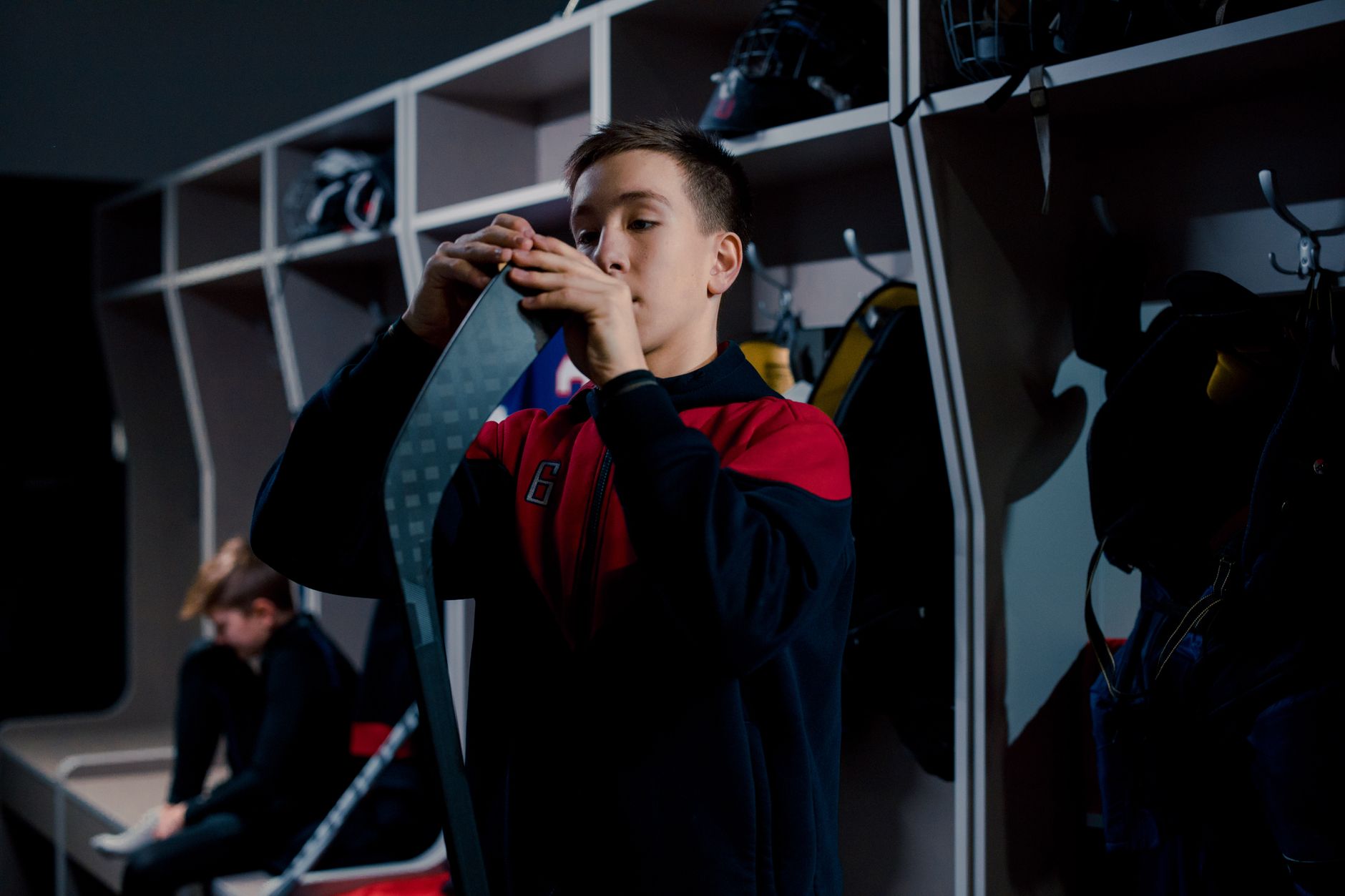
The first cold morning at a Coquitlam rink usually arrives before anyone feels ready for it. Skates are a size too small, the bag still smells like last spring, and somewhere at the bottom of it sits a mouthguard that was chewed down to a nub by February.
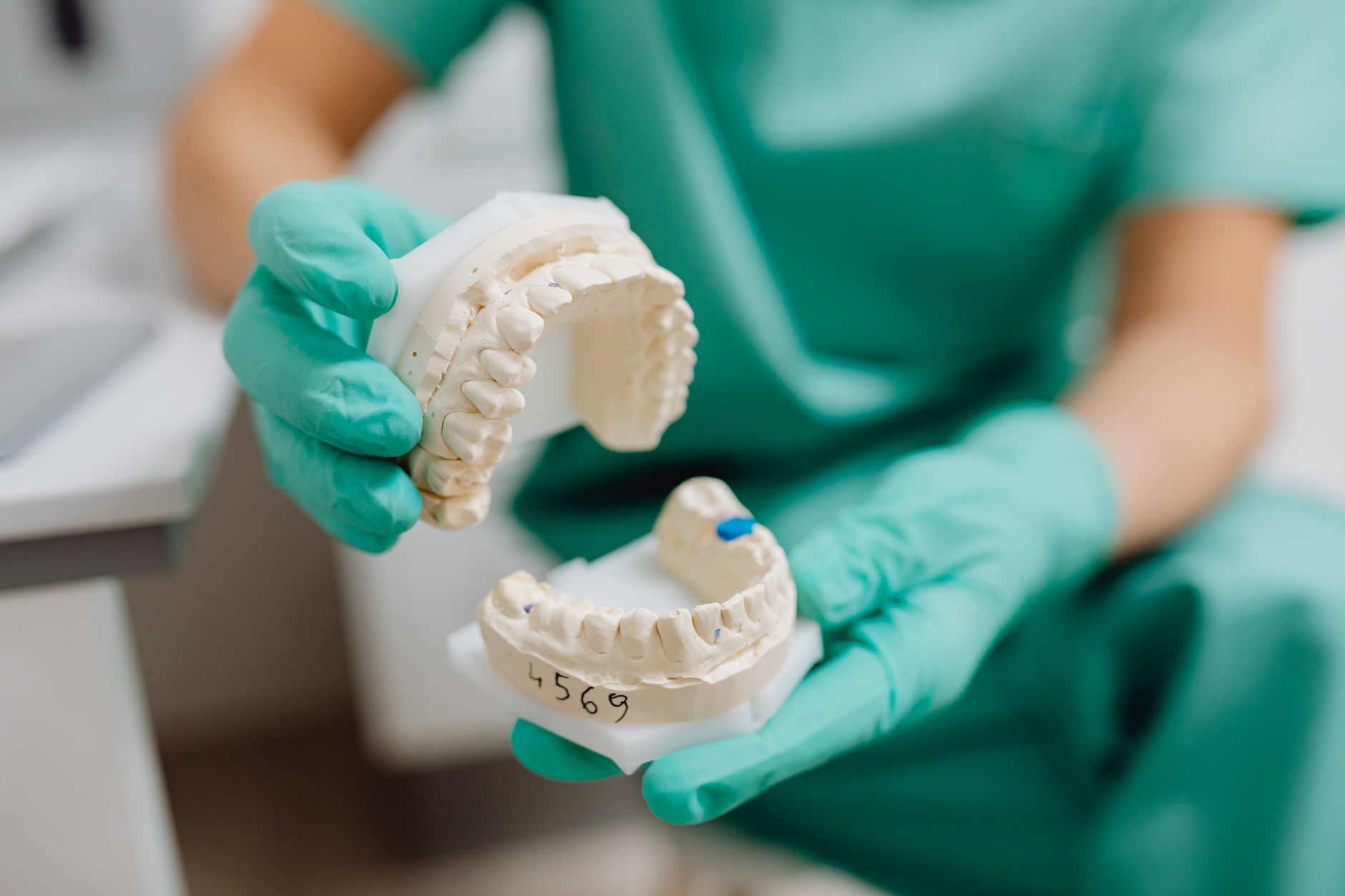
Most of the season's gear can be replaced in one Saturday trip. A custom mouthguard cannot, because it starts with an impression or a digital scan of your child's teeth and is then built to match that shape.
That lead time is the whole case for booking early.
What the appointment actually involves
Parents often picture something longer and more clinical than it is. A mouthguard fitting is a short visit with no drilling, no freezing and no recovery time afterward.
The dentist looks at the teeth and the bite first, which matters for a young athlete whose mouth is still changing. Loose baby teeth, a permanent tooth that is only halfway in, or braces on the horizon all change what the guard has to do. Then comes the impression itself: either a soft tray that sits over the teeth for a minute or two, or a small camera that scans the arches. Most kids find the scan easier, though either one is over quickly.
The impression or scan goes to a dental lab, which builds the guard over the following days. Your child comes back for a short second visit to try it in. A guard that fits well stays put without being held there by clenching, and your child should be able to talk and breathe without fighting it.
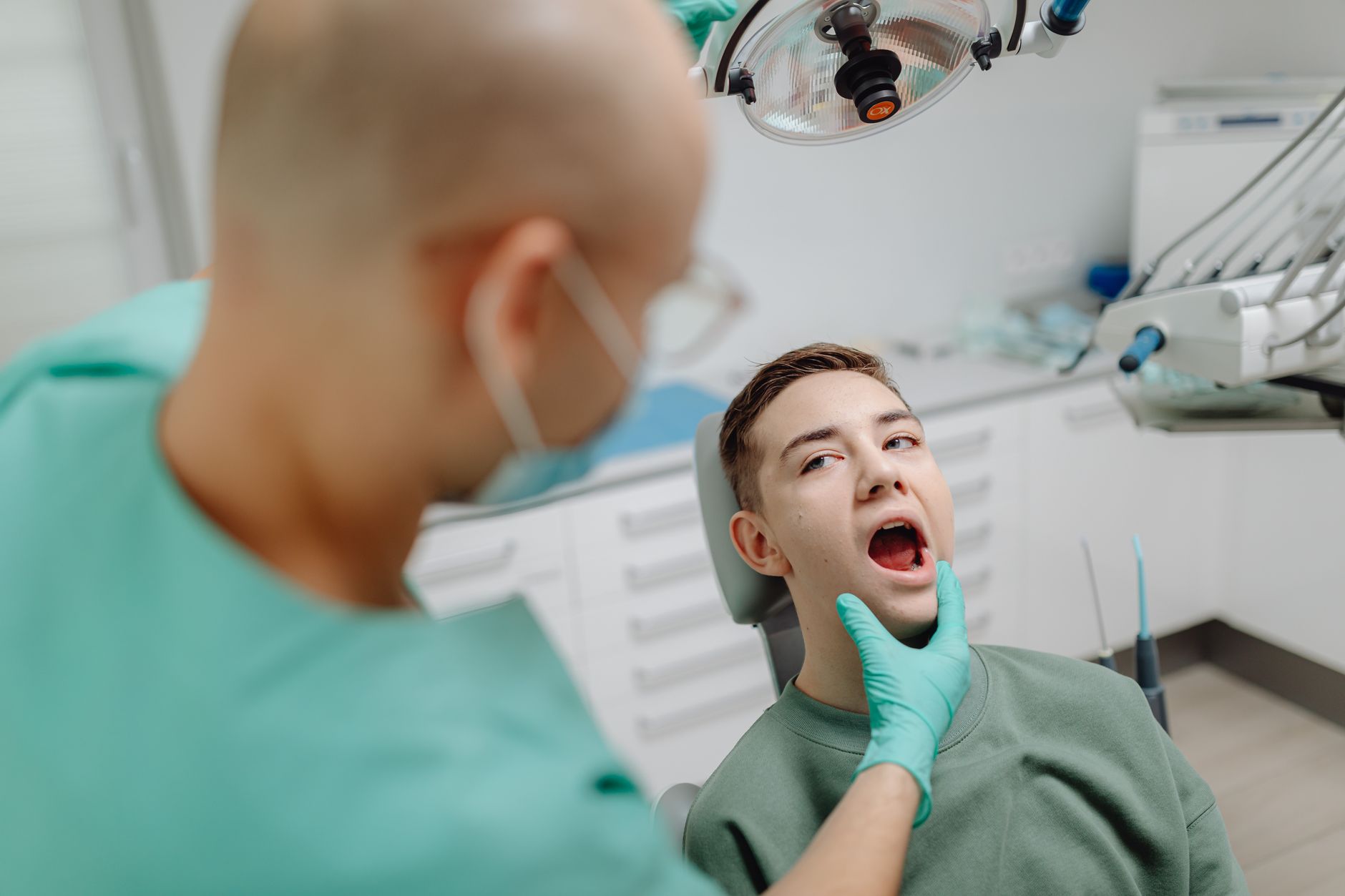
If your child gags easily, say so at the start of the visit. It is a common thing at that age and there are ways to work around it, including sitting upright, breathing through the nose, and using a scanner instead of a tray where that option exists.
Two visits, a handful of days between them. That is the shape of it.
Why September is the awkward month
Youth sport in the Tri-Cities starts moving in late August. Hockey and ringette evaluations fill the ice at Poirier and Planet Ice, football and rugby are already on the field, and lacrosse families are looking ahead to spring. SD43 classes begin in the same stretch of days, along with the annual scramble over after-school pickups and who is driving to which arena.
Anything that needs two appointments tends to lose that race.
The result is predictable. A child skates the first month in last year's guard that no longer fits, or in a boil-and-bite shaped in a hurry on a weeknight, or in nothing at all because the old one went missing sometime in the spring. Contact does not wait for the equipment to catch up. Evaluation skates and early-season practices are often where the most disorganized collisions happen, because nobody has settled into a role or a line yet.
Booking the first appointment a few weeks ahead of evaluations solves a scheduling problem more than anything else. The guard is ready when the hitting starts.
There is a practical side to this for Coquitlam families. An appointment in Austin Heights sits close enough to Coquitlam Centre and the Evergreen Line that an older kid can come straight from school, and close enough to the Burke Mountain and Burquitlam routes that the trip does not eat a whole evening. Booking the two visits back to back in the same week, before practices take over the calendar, is usually easier than finding a gap in October.
Growth is the other reason to plan ahead
A mouthguard is made to fit a mouth in a particular month. For an adult that is a stable target for years. For a nine-year-old it is not.
Between roughly six and twelve, baby teeth come out and adult teeth arrive in a sequence that rarely runs to schedule. A guard made last March may feel tight by October, or it may rock slightly because two of the teeth underneath it have been replaced by bigger ones. Teenagers change more slowly, though molars still arrive and orthodontic treatment can reshape the whole picture.
This is why a fit check at the start of a season is worth nearly as much as the guard itself. Bring last year's guard along to a regular cleaning appointment and the dentist can look at how it sits against the current set of teeth, then tell you whether it has another season in it. That conversation takes a minute and can save you a trip.
If your child is in braces or heading that way, say so when you book. A guard built for a mouth with brackets in it is a different appliance, and the order of the appointments matters more.
What to have ready when you call
A few details make the booking go faster:
- The sport and the level. A guard for full-contact hockey is not built to the same thickness as one for a house league basketball season.
- When the season really starts, meaning evaluations or tryouts, not the first scheduled game.
- Any braces, retainers or orthodontic consultations, finished or upcoming.
- Whether your child has had a dental injury before, and which tooth took it.
- Your plan details, if you have coverage through work. Sports guards sit in different categories under different plans, and the Canadian Dental Care Plan, Pacific Blue Cross and BCTF benefits each treat appliances in their own way. Ask your plan administrator what applies to you before you assume anything in either direction.
Colour is the part your child will care about. Most labs offer a range, and a guard a kid actually likes is a guard that ends up in a mouth instead of in a glove on the bench.
If the season has already started
Plenty of families read something like this in week three rather than week zero. That is fine.
Book the fitting anyway, and pick up a boil-and-bite guard from a sporting goods shop to cover the gap. A store guard that is actually in your child's mouth protects more than a custom one still sitting at the lab. Shape it carefully, follow the package directions about water temperature, and swap it out once it goes soft or loses its shape.
Then switch when the custom guard arrives.
What a mouthguard can and cannot do
A mouthguard is protective equipment, and like a helmet it lowers some risks without erasing them. Teeth can still be damaged in a bad collision. What a well-fitted guard does is spread the force of a blow over a wider area and keep the teeth from cutting into the lips and tongue.
If your child does take a hit to the mouth, look at it that evening instead of at the end of the season. A tooth that is loose, out of position, chipped or newly sensitive to cold is worth a call to the clinic the next day. A tooth knocked out completely is urgent, and the first hour counts for a lot.
Dentaserv has been looking after families in Austin Heights, Burquitlam and Coquitlam for more than thirty years, which adds up to a long run of hockey seasons. If you would rather have the fitting done before the first practice than after the first bad bounce, the clinic on Ridgeway Avenue can usually find a short appointment with a bit of notice.