
If you teach or work in a Coquitlam school, the calendar runs your life. Report cards, parent-teacher nights, field trips, and the long sprint to the last day of June mean there is always something more urgent than a dental cleaning. So it is no surprise that a lot of educators reach the end of the year only to find their dental benefits have quietly reset, with a chunk of coverage left on the table.
This one is for the people who keep School District 43 running: classroom teachers, education assistants, office staff, custodians, and everyone in between. If "book a dental appointment" has been migrating from one week's to-do list to the next since September, you are in good company, and there is a simple way to get ahead of it before your coverage resets.
Why educator dental benefits so often go unused
The honest answer is time. A school day has no natural gaps for appointments, and by the time the final bell rings, most clinics are winding down too. Add marking, coaching, club supervision, and a family schedule of your own, and "I'll call the dentist next week" becomes a sentence you say for nine months straight.
There is also a quieter reason: most people do not actually know what their dental plan includes or when it resets. Benefits feel abstract until you need them, and the paperwork lives in an email from last August. The result is predictable. A large share of people with dental coverage never come close to using their annual limit, leaving money that was set aside for their care unspent each year. It is not carelessness; it is just how easy it is to lose track when the year is busy.
How your dental coverage actually works, and when it resets
Most extended health and dental plans are built around an annual maximum: a set dollar amount the plan will pay toward your dental care in a given benefit year. Routine preventive visits usually sit comfortably within that maximum, which is exactly why they are the easiest benefit to actually use.
The catch is the reset. The large majority of dental plans run on the calendar year and start fresh on January 1, and in most cases any unused portion of your annual maximum does not carry over; it simply disappears. A smaller number of plans follow a different twelve-month cycle, and some include a separate health spending account with its own deadline and its own rules. Because the details vary from plan to plan, it is worth a two-minute check rather than an assumption.
For many B.C. educators, dental coverage is administered through Pacific Blue Cross, often as part of the benefits plan negotiated for your group. You can usually see your remaining balance and your reset date by logging into your member account or reading your plan booklet. If you are not sure which plan you are on, your district benefits contact or union office can point you in the right direction.
What preventive dentistry covers, and why it is the smart way to use your plan
When people picture "using" their dental benefits, they often imagine expensive work, a crown, a root canal, something that hurts. But the most valuable thing your plan covers is also the least dramatic: routine preventive care that keeps small problems from turning into big ones.
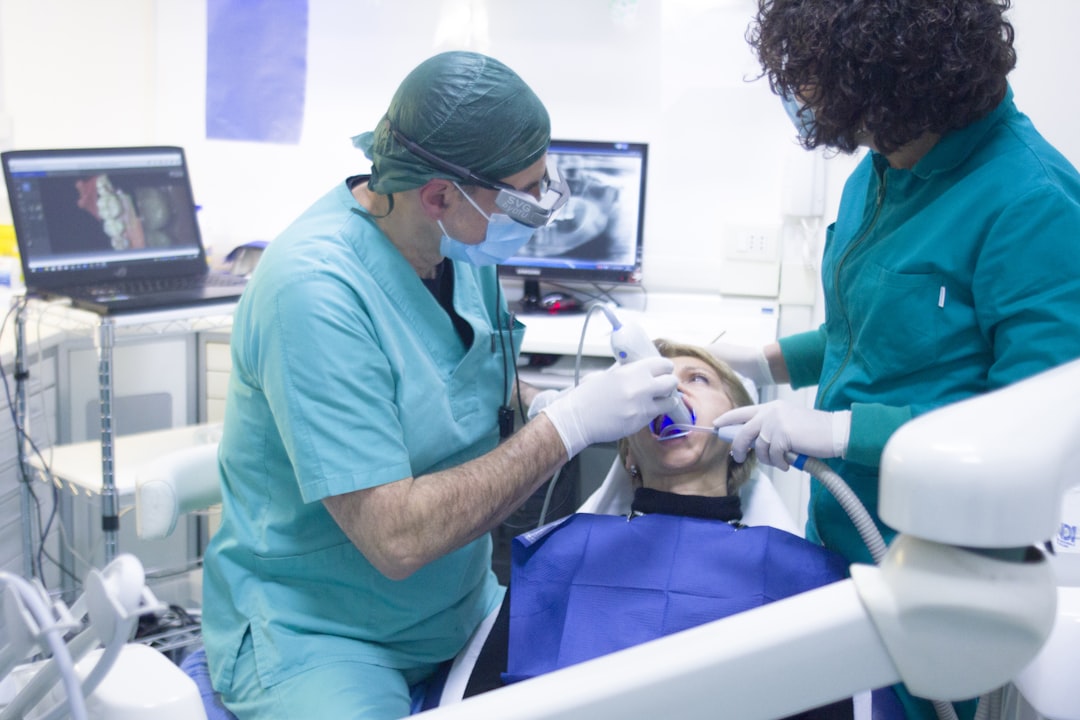
Preventive dentistry is the everyday maintenance that protects your teeth and catches issues early, while they are still simple to address. For most plans, it is also the category with the most generous coverage, which makes it the natural place to put your benefits to work. Here is what a preventive visit at our clinic typically includes:
What is usually covered under preventive care
- Professional cleaning by a certified registered dental hygienist, removing the plaque and tartar a toothbrush cannot reach.
- A thorough exam to check for cavities, gum disease, and other concerns before they start to cause pain.
- Fluoride treatment to strengthen enamel and lower the risk of decay.
- Dental sealants, a protective coating for the grooved chewing surfaces where cavities often begin, especially helpful for kids.
- Oral health education tailored to your habits, so the care continues between visits.
Used consistently, preventive care is the part of dentistry that quietly saves you the most: in discomfort, in time away from the classroom, and in the larger bills that come from problems left to grow. Spending your benefits here is rarely money wasted. And for an educator who is around children, colleagues, and parents all day, a healthy, comfortable smile is worth more than the line item it occupies.
Booking dental care around a teacher's schedule
The real hurdle is fitting an appointment into a working educator's week, so we try to make the timing work for you rather than against you. A few windows tend to be easiest. Professional development days are an underrated option, you are already out of the classroom, and a mid-morning cleaning slots neatly into the day. Spring break and the summer weeks are even better: with the marking done and the classroom packed up, you finally have the breathing room to look after your own health for a change.
And because your benefits most likely reset at year-end, the months after the school year wraps are an ideal time to use what is left rather than scramble in December. If a weekday is genuinely impossible during term, just let us know when you book. We see a lot of SD43 families and staff, and we are used to building visits around report-card season, coaching commitments, and the general reality of a teacher's calendar.

A Coquitlam clinic that knows the SD43 community
Our practice sits in the Austin Heights neighbourhood of Coquitlam, a short drive from many of the district's schools, and we have cared for local families for more than three decades under Dr. Lorene Lederer. A good portion of the people in our chairs work in education or have children in SD43 classrooms, so the rhythm of the school year is familiar territory for us.
We are also a multilingual, family-led team (English, Tagalog, Hindi, Punjabi, Mandarin, Korean, and Arabic are all spoken here) and we participate in the Canadian Dental Care Plan. Whether you are booking your own overdue cleaning or bringing the whole household in before the year resets, you can read more about our preventive and family services or reach us directly through our contact page.
Use what is yours before the clock runs out
Dental benefits are part of your compensation, money set aside specifically for your health. Letting them reset unused is a little like leaving a paycheque uncashed. The fix is small: confirm your plan's reset date, check how much coverage you have left, and book the preventive visit you have been meaning to schedule since the fall.
If you are not sure where to start, that is completely fine. Give us a call and we can help you sort out the timing and talk through what your plan is likely to cover. The last stretch of the school year is hectic enough; your next cleaning does not have to wait until the benefits clock runs out.