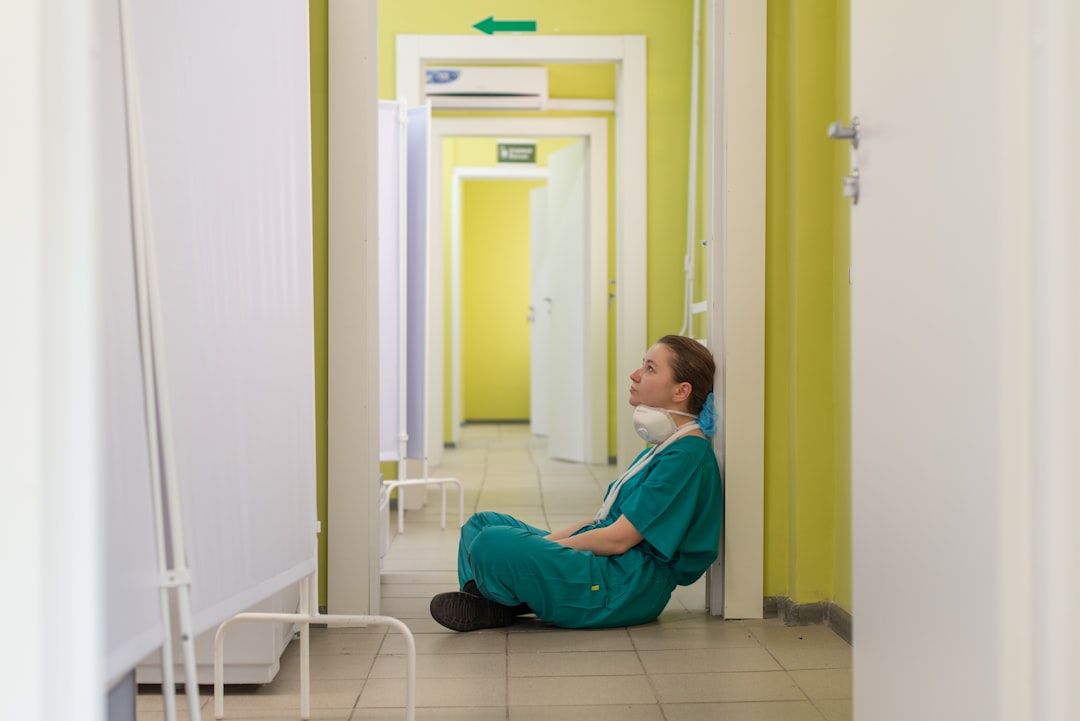
You finish a twelve-hour shift, drive home in the dark, and notice your jaw aches in a way it did not used to. Maybe you bite into something and feel a sharp twinge from a tooth that has quietly chipped or cracked. You are not sure when it happened (there was no single moment, no obvious accident) and yet the damage is real.
This one is for the nurses, care aides, paramedics, and other healthcare workers around Coquitlam who keep the rest of us going on long and irregular shifts. If your teeth have started showing wear, cracks, or sensitivity you cannot quite explain, the cause may be tied more closely to your working life than you would expect. Understanding why is the first step toward doing something about it.
Why long shifts and stress show up in your teeth
Most people think of tooth damage as something that happens in a moment, a fall, a hard candy, a sports injury. For shift workers, the more common story is slower and quieter. The connection runs through a habit called bruxism: clenching or grinding your teeth, often without realizing you are doing it, and frequently while you sleep. According to the Cleveland Clinic, bruxism is closely linked to stress and anxiety, and many people who grind their teeth do so during the night.
Healthcare work supplies plenty of what drives that habit. Sustained stress, high-stakes decisions, and the physical toll of being on your feet for hours all feed tension that the jaw tends to hold onto. Irregular and overnight shifts add another layer: when sleep is broken or shifted out of its natural rhythm, the deep, restful sleep that lets the jaw relax can be harder to come by. Night after night of low-grade clenching adds up, and teeth are remarkably good at absorbing that pressure, right up until they are not.
The quiet signs of wear most people miss
Because grinding usually happens during sleep, the damage often announces itself indirectly. You might notice a dull headache or jaw soreness in the morning, teeth that feel newly sensitive to hot or cold, or edges that look flatter and more worn than they used to. Sometimes the first clear sign is a tooth that cracks or chips under ordinary chewing, not because the food was hard, but because the tooth had already been weakened by months of pressure.
It is easy to wave these signals away when you are tired and busy. A little jaw soreness after a rough week does not feel like an emergency, and a small chip is easy to ignore if it does not hurt. The trouble is that a cracked tooth rarely heals on its own, and a crack that starts small can deepen over time, eventually reaching the sensitive inner layers of the tooth. Catching wear early generally means simpler, more comfortable treatment later, which is reason enough to pay attention to the small signs rather than push through them.

How restorative dentistry brings a damaged tooth back
The reassuring part of this story is that a cracked or worn tooth is a very treatable problem. Restorative dentistry is the branch of care focused on exactly this: repairing teeth that have been damaged so they look, feel, and function the way they should. The right approach depends on how much of the tooth is affected, and a dentist will match the treatment to the damage rather than reach for a one-size-fits-all fix.
Common ways a worn or cracked tooth is restored
- Fillings, for smaller chips and areas of decay, a filling rebuilds the missing part of the tooth and seals it against further damage.
- Crowns, when a crack or wear affects a larger portion of the tooth, a crown caps it entirely, restoring strength and protecting what remains underneath.
- Bridges, if a tooth is lost or has to be removed, a bridge fills the gap so neighbouring teeth stay in place and chewing stays comfortable.
- Repairs and rebuilding, worn biting surfaces can often be rebuilt to restore both function and a natural appearance.
The goal of all of these is the same: to give you back a tooth that does its job without you having to think about it. For someone working long shifts, that practical return of normal function (eating, talking, and getting through a shift without a nagging ache) is usually what matters most.
Protecting your teeth between shifts
Restoring a damaged tooth solves the immediate problem, but it is worth addressing the pressure that caused it so the repair lasts. One of the most effective and least intrusive tools is a custom-fitted mouthguard worn at night. Unlike a generic drugstore version, a custom guard is moulded to your teeth, so it stays comfortable and cushions them from the force of grinding while you sleep, which is when most of the damage tends to happen.
Small daily habits help too. Noticing when you clench during a tense moment at work and consciously relaxing your jaw, easing tension with gentle stretches, and protecting what sleep you can all reduce the load your teeth carry. None of this requires a dramatic lifestyle change, which matters when your schedule is already full. The point is simply to give your jaw a few more chances to rest, and to stop ignoring the early signs when they show up.
Caring for the people who care for everyone else
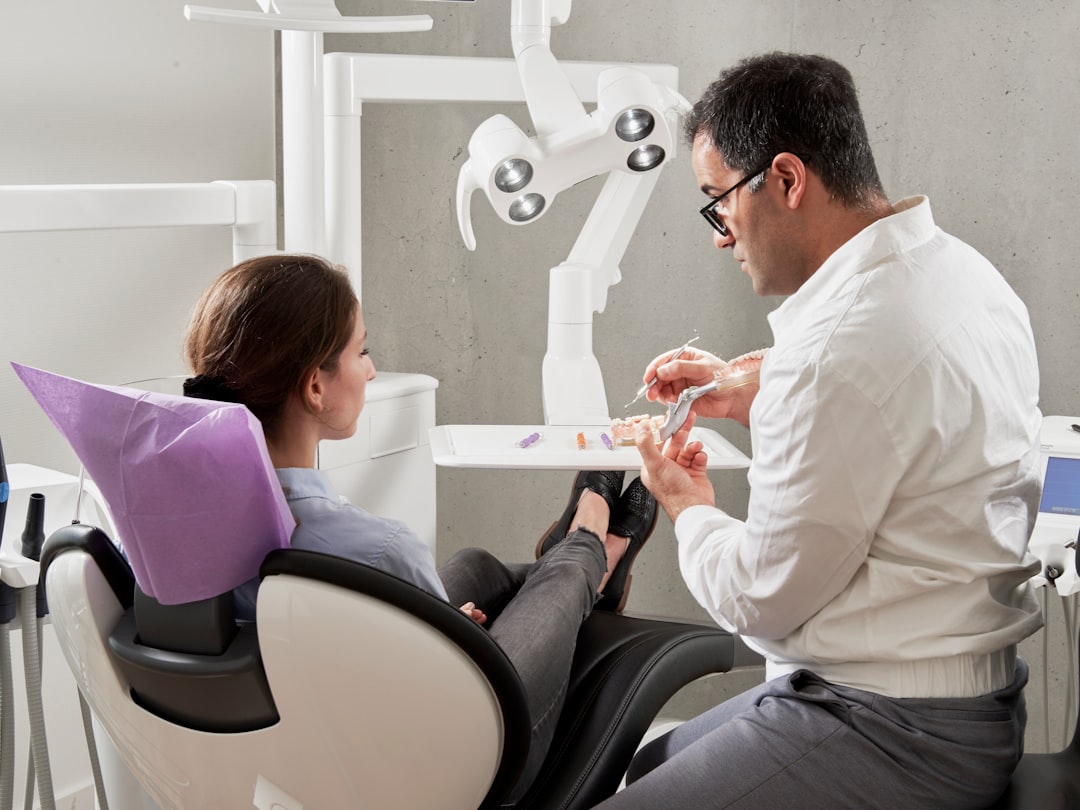
If you recognize yourself in any of this, the most useful next step is a straightforward one: have a dentist take a look. A check-up can identify cracks or wear you may not be able to see, sort out which teeth simply need watching and which need attention now, and walk you through the options for restoring anything that has been damaged. There is no pressure in that conversation, just clear information about where your teeth stand.
Our clinic sits in the Austin Heights neighbourhood of Coquitlam, where Dr. Lorene Lederer and our team have cared for local families for more than thirty years. We are a multilingual, family-led practice (English, Tagalog, Hindi, Punjabi, Mandarin, Korean, and Arabic are all spoken here) and we work around the kind of irregular schedules that come with healthcare. You can learn more about our restorative services or reach us through our contact page whenever it suits you.
The wear that long shifts leave on your teeth builds up quietly, but it does not have to be permanent. A cracked or worn tooth can be restored, the grinding behind it can be managed, and the whole thing tends to be far simpler to handle the sooner you look into it. You spend your working hours taking care of other people; this is one small, practical way to take care of yourself.