If your child plays travel hockey through Coquitlam Minor, runs drills with a soccer club at Town Centre Park, or laces up at Planet Ice on the weekend, you have probably already had the mouthguard conversation. Maybe you picked one up at the sporting goods store on the way to a tournament, boiled it in the kitchen, and called it done. For a lot of Burke Mountain families, that is where the thinking stops, until a stray elbow, a high stick, or a fall on the turf turns a fun Saturday into an urgent trip to the dentist.
The reality is that the mouthguard a young athlete wears matters far more than most parents realize. Stock and boil-and-bite guards offer some protection, but for kids playing contact sports several times a week, a professionally fitted mouthguard does a different kind of job. This guide walks through why, what to expect from the process, and how to think about timing when your child's mouth is still growing.
The risks young athletes actually face on Coquitlam fields and rinks
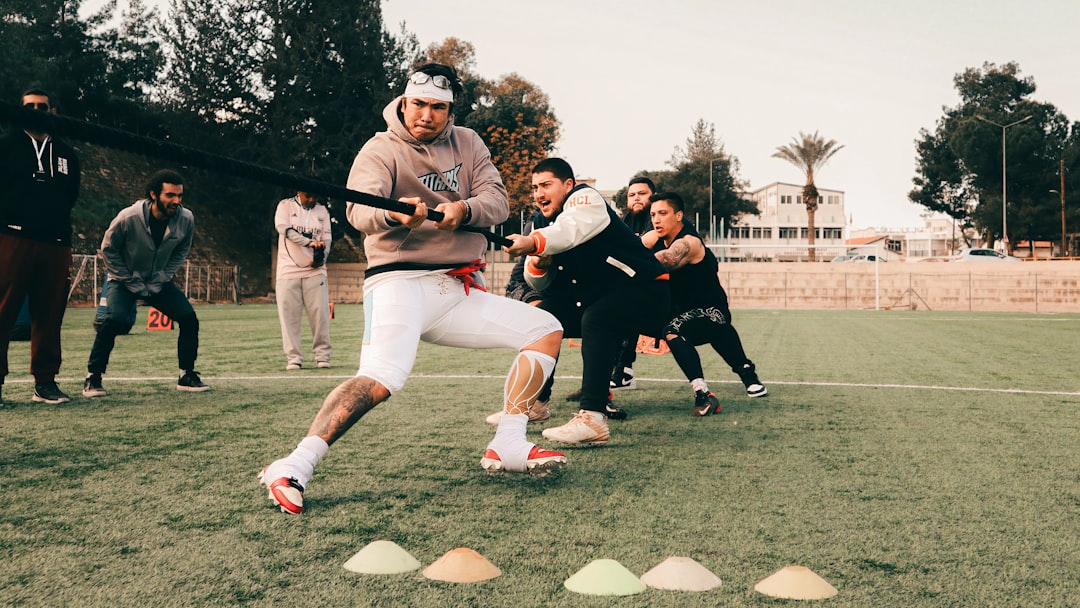
Ice hockey carries one of the highest rates of orofacial injury of any youth sport. Studies of competitive players have found that roughly a third report some form of oral injury during their playing career, most commonly lacerations to the lip and cheek, but also broken or knocked-out teeth. And it is not only hockey. Lacrosse, basketball, soccer, field hockey, and even skateboarding at the parks near Burke Mountain all carry real risk of a blow to the face.
What makes youth athletes a special case is that their teeth are still settling in. Permanent front teeth typically erupt between ages six and eight, and the root structure continues to develop for years after that. A trauma to a developing tooth can affect more than just the visible crown, the nerve, the root, and the surrounding bone can all be involved. That is why a dental injury at age ten can sometimes mean a lifetime of repairs, root canals, or eventually an implant.
For families in Burke Mountain, Westwood Plateau, and the broader Coquitlam area, the practical question is not whether to use a mouthguard at all. The Canadian Dental Association and Hockey Canada both treat them as standard equipment. The practical question is which type, and how well it fits.
Why boil-and-bite guards often fall short for growing mouths
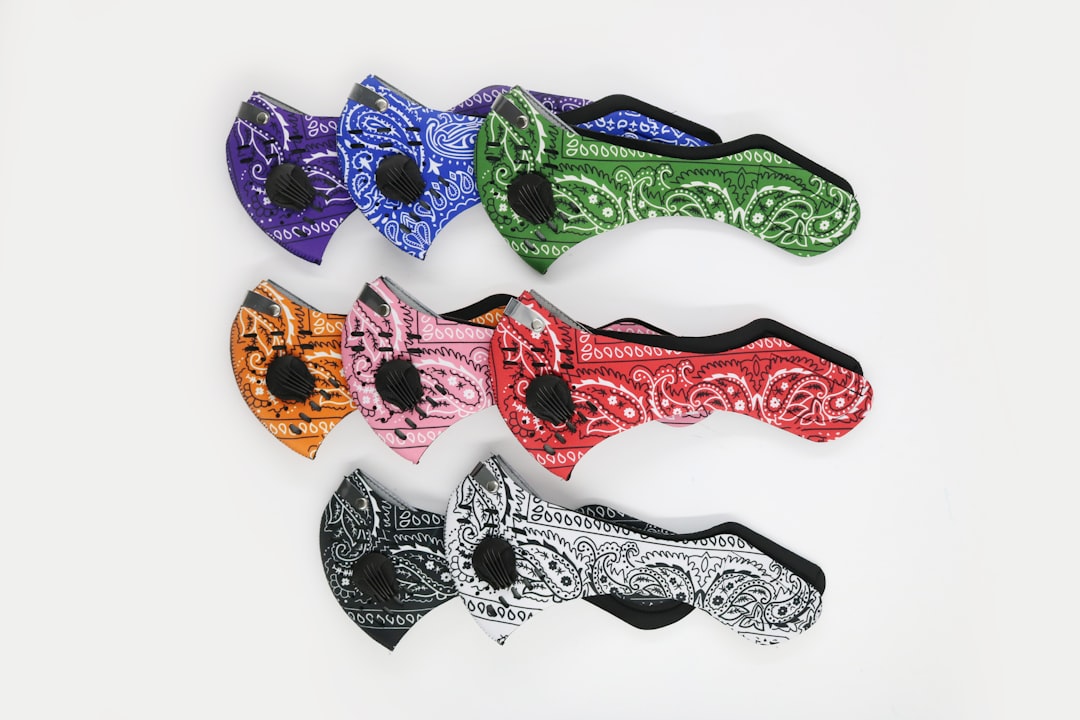
Boil-and-bite mouthguards work by softening a thermoplastic shell in hot water and having the athlete press it onto their upper teeth. They are inexpensive, widely available, and better than nothing. But they have three common weaknesses that show up most clearly in young athletes.
First, the fit relies on a child being able to apply even pressure with their tongue and fingers during a thirty-second window while the plastic is still warm. For an eight-year-old doing this at the kitchen counter, the result is often a mouthguard that is too thick in some spots and too thin in others, including, sometimes, over the very teeth most likely to take a hit. Second, the material tends to compress and warp over a season of use, especially if the guard is left in a hot equipment bag. Third, kids take loose-fitting guards out. They chew on them, they let them dangle from the helmet cage, they lose them entirely. A guard that is not in the mouth protects nothing.
A professionally made custom mouthguard addresses each of those issues. It is built from a precise impression of your child's teeth, so it stays seated without biting down. The thickness is engineered to match the areas that take the most force, particularly the front teeth and the surfaces opposing the upper jaw. And because the fit feels secure rather than bulky, young athletes are much more likely to keep it in their mouth during play, which is the entire point.
How a custom mouthguard is actually made
Parents are sometimes surprised at how straightforward the process is. There is no surgery, no sedation, and most kids find the appointment more curious than uncomfortable. The basic steps look like this:
What to expect at the appointment
- A quick exam. The dentist checks for loose baby teeth, erupting permanent teeth, and the general bite. Timing matters, we want to fit the guard during a stable window, not the week a front tooth is about to fall out.
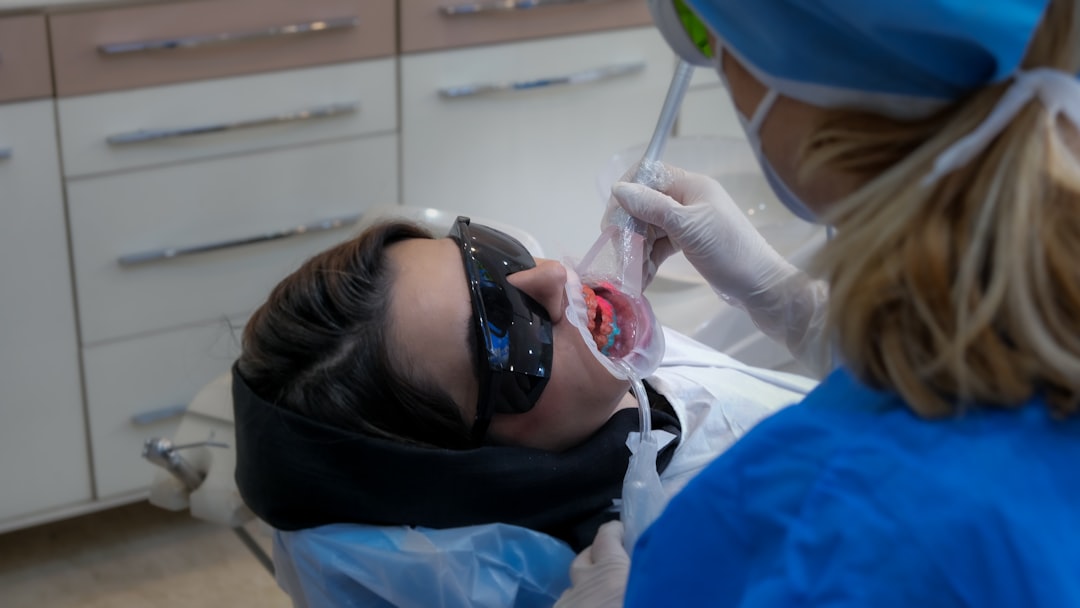
- An impression. A soft dental putty is placed in a small tray and gently held against the upper teeth for about a minute. Modern offices may also use a digital scanner, which feels like a small camera moving around the mouth.
- Lab fabrication. The impression goes to a dental lab where a model of the teeth is created and a layered EVA or laminate guard is pressure-formed to match.
- Fitting and adjustment. At the follow-up visit, the dentist checks the fit, trims any edges that catch on the gum, and confirms that the athlete can breathe and speak comfortably with the guard in.
- Colour and design choices. Most labs offer a range of colours and the option to add a team logo, jersey number, or name, small details that make kids more likely to wear the thing they were measured for.
The whole process typically spans two short visits over a couple of weeks. At Dentaserv, we make custom mouthguards regularly for young athletes across the Tri-Cities, and the team takes time to walk families through the choices so the guard fits the sport, not just the mouth.
Beyond teeth: the concussion conversation
There is a second reason custom mouthguards have moved up the priority list for hockey families in particular. A large case-control study of youth ice hockey players published in the British Journal of Sports Medicine in 2020 found that mouthguard use was associated with substantially lower odds of concussion compared with players who did not wear one. The researchers were careful to note that mouthguards are not a substitute for proper helmet fit, fair play, or coaching against dangerous hits, but the protective association was clear and meaningful.
The proposed mechanism is that a well-fitted guard helps cushion the jaw and absorb some of the energy transmitted to the skull when an athlete is hit. The keyword there is well-fitted. A guard that flops around in the mouth cannot do that job. For parents weighing the cost difference between a drugstore guard and a custom one, that concussion data is often what tips the decision.
When to get fitted, and how often to replace
The most common question we hear from parents is some version of: my child is still growing, will the guard even fit next year? It is a fair concern, and the honest answer is that custom mouthguards for kids generally need to be remade every twelve to eighteen months, sometimes sooner if several permanent teeth come in during that window. That is faster than for adults, but still slow enough that a custom guard makes sense for any child who is playing organized contact sport more than once a week.
A good rule of thumb is to schedule the mouthguard appointment a few weeks before the season begins, so the guard is broken in by the first practice. If your child plays multiple sports across the year, one guard can typically cover all of them, the same custom fit works for hockey, lacrosse, basketball, and rugby. Bring it to dental checkups so we can inspect for wear, cracks, or signs that the bite has shifted.
For families on a tight budget, the Canadian Dental Care Plan and many extended benefits plans now include partial coverage for sport mouthguards prescribed for active athletes. It is worth checking your plan before assuming the cost will be out of pocket.
Burke Mountain produces a lot of strong young athletes, kids who skate at Planet Ice, train at Poirier Sport & Leisure Complex, and play through the weekend at Town Centre Park. Giving them equipment that actually fits is one of the simpler ways to keep their season going. If you are not sure whether your current mouthguard is doing its job, bring it to your next appointment and we will take a look together, or reach out to the clinic to talk through what would suit your child's sport and stage of growth.