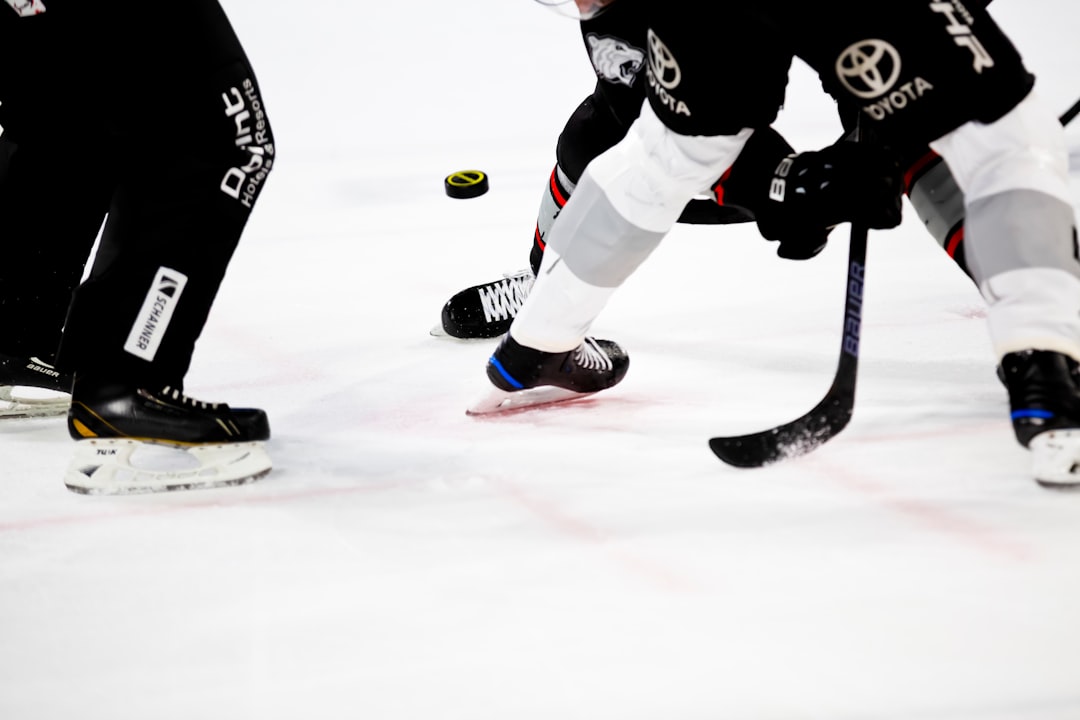
It usually happens in a heartbeat. A high stick on the rink, an elbow under the basketball hoop, a stray cleat on the soccer pitch at Burke Mountain Athletic Park, and your child comes off the field with a split lip or, in the worst case, a tooth in their hand. For parents across Coquitlam, these are the two dental injuries that turn a normal Saturday game into an unplanned trip to the dentist.
This guide is for parents of young athletes in Burke Mountain, Austin Heights, and the wider Coquitlam area who are deciding what kind of mouthguard their child actually needs. We will focus on the two injuries a guard is designed to prevent (soft-tissue lacerations and tooth loss) how each one happens, and why the fit of the guard has so much to do with the outcome.
The two injuries behind most game-day dental emergencies
When a ball, a stick, an elbow, or another player's head meets your child's mouth, the force has to go somewhere. Without a mouthguard, it lands on two vulnerable areas. The first is the soft tissue: the lips, cheeks, and tongue get driven against the sharp edges of the teeth, which can cut them open. The second is the teeth themselves, which can chip, crack, get pushed out of position, or be knocked out entirely, what dentists call an avulsion.
The American Dental Association notes that a properly fitted mouthguard can help cushion blows that would otherwise cause broken teeth and injuries to the lips, tongue, face, and jaw. It does this by acting as a shock absorber between the upper and lower teeth and as a smooth barrier between the teeth and the soft tissues around them. Both jobs matter, and a guard that fits well does both at once.
How a mouthguard prevents cuts to the lips, cheeks, and tongue
Soft-tissue lacerations are the injuries parents tend to underestimate. They are rarely as dramatic as a knocked-out tooth, but they bleed a lot, they are painful, and deeper cuts sometimes need stitches. The mechanism is simple: on impact, the lip or cheek is crushed against the edges of the teeth, and those edges behave like a blunt blade.
A mouthguard solves this by covering the biting edges of the upper teeth with a layer of resilient material. Instead of meeting a hard, ridged surface, the soft tissue meets a smooth cushion. The same coverage stops the upper and lower teeth from clashing directly together if the jaw is snapped shut by a blow from below, a common way that tongues and lips get caught and bitten during contact sports.
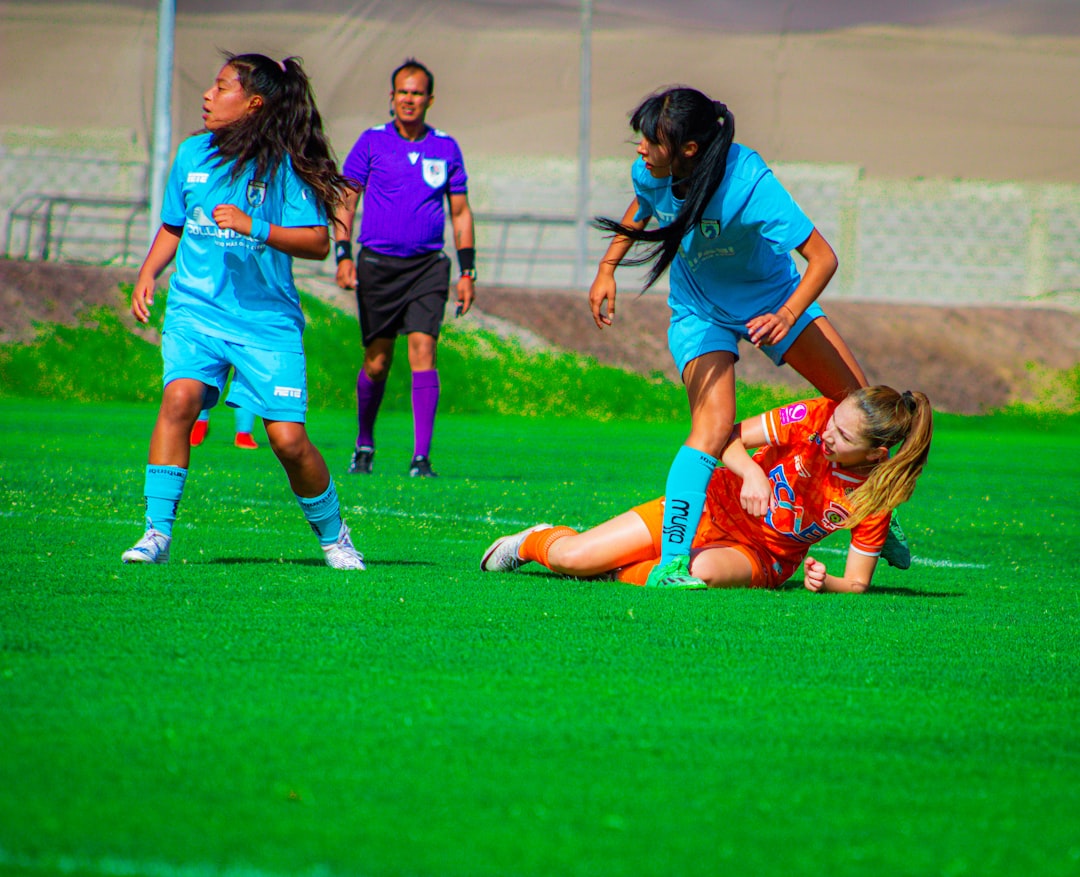
Cushioning the blow: how guards reduce tooth loss and fractures
Protecting the teeth is the part most parents already have in mind, and the evidence here is encouraging. A 2019 systematic review and meta-analysis of sports mouthguard research found that athletes who wore mouthguards were substantially less likely to suffer dental and facial injuries than those who did not, with risk reductions reported in the range of roughly 82 to 93 percent across the studies reviewed. In other words, the guard is not a small edge. It changes the odds in a meaningful way.
The way it works is by spreading and absorbing force. A direct hit to an unprotected front tooth concentrates energy on a small area, which is how teeth crack or get driven out of the socket. A mouthguard distributes that energy across the whole dental arch and soaks up part of it in the material itself, so less of it reaches any single tooth. For the front teeth (the ones most exposed in a fall or a collision) that buffer is exactly where it is needed most. If a tooth is damaged despite a guard, our restorative dentistry team can often repair or rebuild it, but prevention is far easier on everyone, your child included.
If a tooth still gets knocked out, the first half hour matters most
No guard prevents every injury, so it is worth knowing what to do if a permanent tooth is knocked out. Acting calmly and quickly gives the tooth its best chance of being saved, and the window is short, the cells on the root surface begin to die once the tooth has been out and dry for about 30 minutes, with the chance of successful re-implantation dropping further after roughly an hour.
What to do if your child loses a permanent tooth
- Find the tooth and pick it up by the crown (the white chewing part) never by the root, so you do not damage the delicate cells that help it reattach.
- If it is dirty, rinse it gently with milk or saline for a few seconds. Do not scrub it, and do not use soap.
- Try to place it back in the socket if your child is calm enough, and have them bite gently on a clean cloth to hold it there.
- If you cannot re-insert it, keep it moist in cold milk, or in your child's saliva by tucking it inside their cheek if they are old enough not to swallow it. Plain water is a last resort, as it damages the root cells.
- Get to a dentist immediately, ideally within 30 minutes. Baby teeth are usually not re-implanted, but a knocked-out adult tooth is a true emergency.
Because dental emergencies rarely happen during office hours, our clinic provides after-hours emergency consultation and care for urgent situations like these. Keeping our number in your phone before the season starts is a small step that saves precious minutes when it counts.
Why a custom fit does this job better
Any mouthguard is better than none, but the three types on the market do not protect equally, and that comes down to fit. Stock guards are pre-formed and held in place by clenching, so they shift on impact and leave teeth exposed at the exact moment protection is needed. Boil-and-bite guards mold to the teeth more closely, but the material thins out unevenly where a child bites hardest, which is often the front teeth that most need coverage.
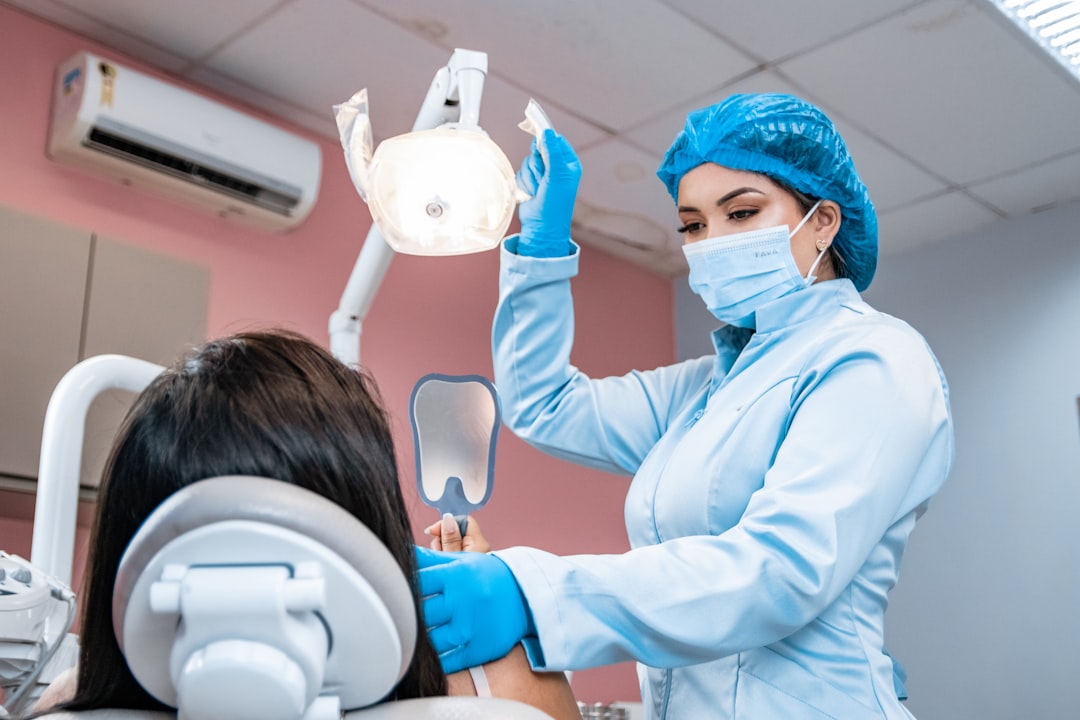
A custom mouthguard is built from a digital scan or impression of your child's teeth taken in our office on Ridgeway Avenue. Because it is contoured to the exact shape of the upper arch, it stays put without being clenched, keeps even thickness over the biting edges and front teeth, and covers the soft tissue consistently. For the two injuries we have been talking about, that even, stable coverage is what does the protective work. We can also build extra room into a custom guard for braces or for teeth that are still coming in, so a growing athlete stays protected as their mouth changes.
Dr. Lorene Balmaceda Lederer has more than thirty years of experience, and as the official dentist of the Coquitlam Express Hockey Team, our clinic has fit a lot of guards on growing mouths. Our team speaks English, Tagalog, Hindi, Punjabi, Mandarin, Korean, and Arabic, which helps when we walk families across the Tri-Cities through care and fitting instructions.
Bringing it together
The case for a well-fitted mouthguard rests on two specific, common injuries: cuts to the lips, cheeks, and tongue, and the loss or fracture of teeth. A guard prevents the first by replacing sharp tooth edges with a smooth cushion, and reduces the second by spreading impact across the whole arch instead of a single tooth. Fit determines how reliably it does both, which is why a custom guard tends to outperform the off-the-shelf options for kids who play regularly or in collision-heavy sports.
If you are not sure which guard makes sense for your child's sport, age, or stage of orthodontic treatment, we are glad to talk it through. You can reach our team in Austin Heights with questions or to book a quick fitting, no pressure, just clear answers from people who fit mouthguards every week.