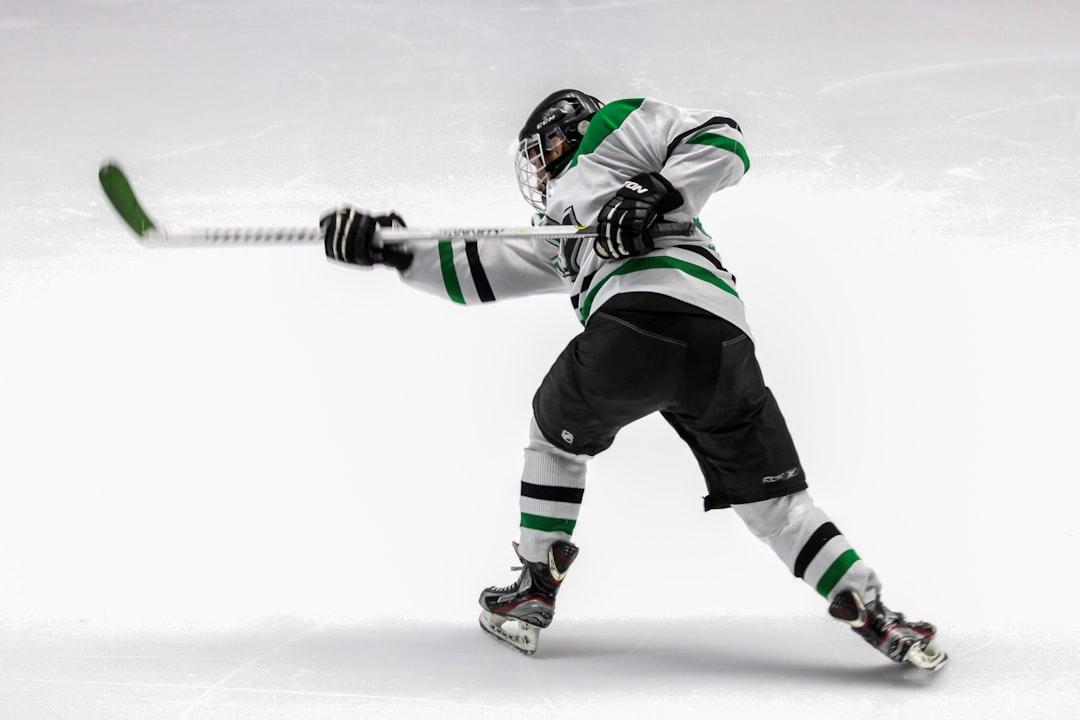
If you have ever stood at the boards on Burke Mountain and watched your child push their mouthguard out with their tongue between shifts, you already know the real test of a sports guard is not what it looks like in the package. It is whether your young athlete can actually keep it in their mouth, breathe through a hard backcheck, and still call for the puck or the ball.
This guide is written for parents in the Burke Mountain, Austin Heights, and wider Coquitlam area who are weighing the two most common options: a custom-fitted mouthguard made by a dentist, and the boil-and-bite guards sold in sporting goods stores. We will focus on the two things kids actually complain about (comfort and breathability) and what the research and our own chairside experience suggest about each.
Why mouthguard comfort matters more than you think
A mouthguard that does not feel right does not get worn. That is the quiet truth behind a lot of dental injuries we see during hockey, lacrosse, soccer, and basketball seasons. A guard left in a hockey bag during a scrimmage protects nothing. The American Dental Association recommends properly fitted mouthguards for ice hockey, lacrosse, basketball, soccer, field hockey, rugby, wrestling, and several other contact sports, in part because athletes without them are far more likely to sustain dental trauma during play.
For growing athletes, comfort is not just a quality-of-life issue; it is a compliance issue. If the guard makes them gag, slurs their communication on the ice, or has them spitting it out into a glove every two minutes, they will find ways to leave it on the bench. That is the scenario every parent at the new Burke Mountain Athletic Park field would like to avoid.
Boil-and-bite guards: how they fit and where they fall short
Boil-and-bite guards are made from a thermoplastic that softens in hot water. You drop the guard in, wait, and have your child bite down to leave an impression. They are widely available and easy to pick up before a Saturday morning game, which is a big part of their appeal.
The trade-off is in the fit. Because the impression is formed by your child's bite pressure rather than a dental model, the material tends to be bulky in some areas and thin in others. Parents commonly report three issues:
- The guard feels too thick, pushing the lips apart and forcing the athlete to mouth-breathe more than they would like
- It loosens over the course of a game or season as the plastic relaxes, leading to slipping and constant readjustment
- It can interfere with speech, which matters more than parents realize for sports where kids need to call plays
Custom mouthguards: how they are made and why they feel different
A custom mouthguard starts with a digital scan or a physical impression of your child's teeth taken in our office on Ridgeway Avenue. From that model, the guard is fabricated using vacuum-forming or heat-pressure lamination so that it sits on the teeth almost like a thin shell rather than a wedge of plastic.
The fit changes everything kids complain about. Because the guard is contoured to the exact shape of the upper arch, it stays put without being clenched, and the bulk is concentrated where it does the most work (the front teeth and the biting surfaces) rather than crowding the tongue and palate. Most young athletes can talk without slurring and breathe through their nose or mouth with very little extra resistance. Many of our hockey families tell us their kids stop noticing the guard within a shift or two.
There is another practical advantage for growing mouths. We can build extra space into a custom guard for braces or shifting permanent teeth, and we can adjust it as your child changes. A boil-and-bite cannot really be adapted; it can only be replaced.
What the research says about breathing and performance
This is where the difference stops being a matter of opinion. A 2024 randomized clinical trial published in Dental Traumatology compared custom-made and boil-and-bite mouthguards among basketball players and found custom guards rated significantly higher for comfort and wearability. Broader sports-medicine literature has reported that stock and boil-and-bite guards can measurably reduce maximum oxygen uptake (VO2max) and peak ventilation (VEmax) during exertion, while custom-made guards do not show the same effect.
In plain language: a poorly fitting guard does not just feel worse. It can quietly limit how hard your child can work in the third period or the last 20 minutes of a tournament match. For competitive youth athletes putting in long shifts or running 90-minute soccer games on the new turf at Burke Mountain Athletic Park, that gap is worth paying attention to. Our custom mouthguard service is built specifically with these performance considerations in mind.
Choosing the right guard for your child's sport and stage
The right guard depends on a few honest questions about your athlete's situation. We talk parents through these all the time, and the answer is rarely one-size-fits-all.
Questions worth asking before you decide
- How often are they playing? A child in one rec season per year is in a different situation than a Coquitlam Express development player or a CMFSC competitive soccer athlete.
- Are they in braces or about to be? Orthodontic appliances change everything. A boil-and-bite can press on brackets and create sore spots; a custom guard can be designed around them.
- Is the sport collision-heavy? Hockey, lacrosse, and rugby justify the investment in a custom guard much faster than, say, recreational basketball.
- Are they complaining about the current guard? A child who repeatedly removes their guard is telling you it does not fit. Switching brands of boil-and-bite rarely fixes that.
- How long do you want it to last? Custom guards typically hold up for two or more seasons with reasonable care. Boil-and-bite guards usually need replacement each season or sooner as they relax and deform.
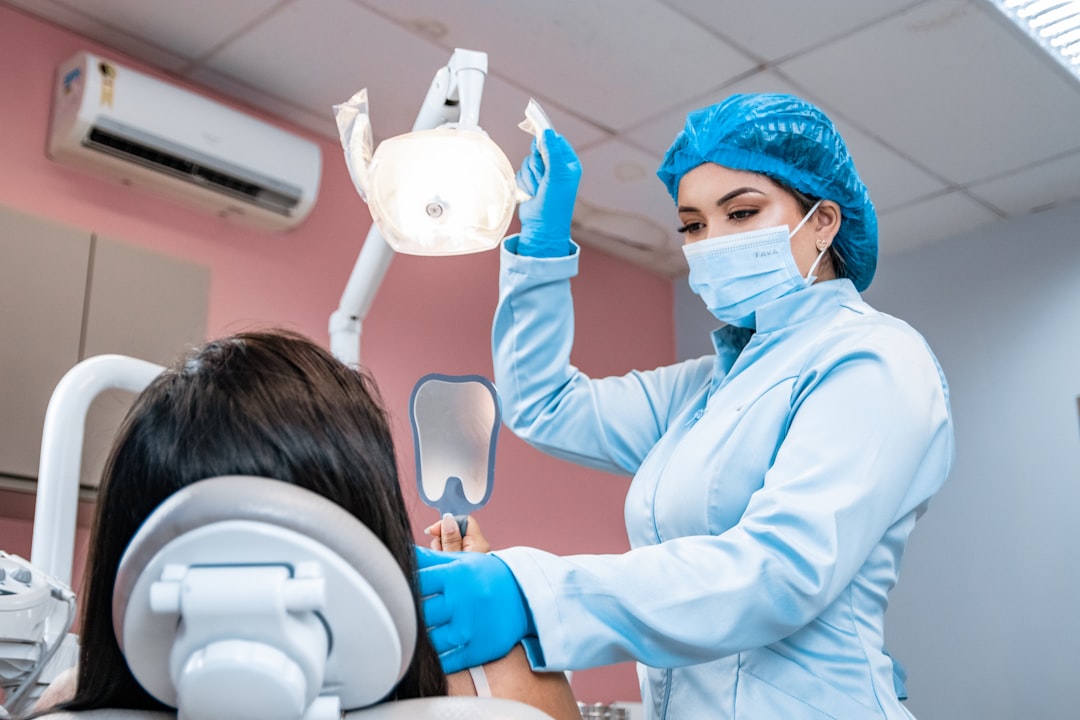
What a custom mouthguard appointment actually looks like
Parents sometimes picture a custom mouthguard appointment as a big production. It is not. We take a quick digital scan or a quiet impression, talk through colour and design choices (kids love picking team colours), and have the finished guard ready for a fitting at a follow-up visit. The whole process is calm, conversational, and well within what most young athletes can handle without anxiety.
Because Dr. Lorene Balmaceda Lederer has more than thirty years of experience and our clinic is the official dentist of the Coquitlam Express Hockey Team, we have fit a lot of guards on a lot of growing mouths. Our team speaks English, Tagalog, Hindi, Punjabi, Mandarin, Korean, and Arabic, which helps when explaining care instructions to families across the Tri-Cities.
Bringing it together
Both custom and boil-and-bite mouthguards offer some protection, and any guard is better than none. But on the specific questions that matter to a young athlete (does it feel comfortable, can I breathe, will it stay put for a full game) the gap between the two options is real and it has been measured. For families weighing the difference, the deciding factors usually come down to how seriously your child takes the sport, whether orthodontics are in the picture, and how much you value a guard that gets worn consistently rather than left in a bag.
If you would like to see what a custom guard might look like for your athlete, or you are not sure what fits best for their sport and age, we are happy to talk it through. You can reach our team in Austin Heights to ask questions or book a quick consultation, no pressure, just honest answers from people who fit mouthguards every week.