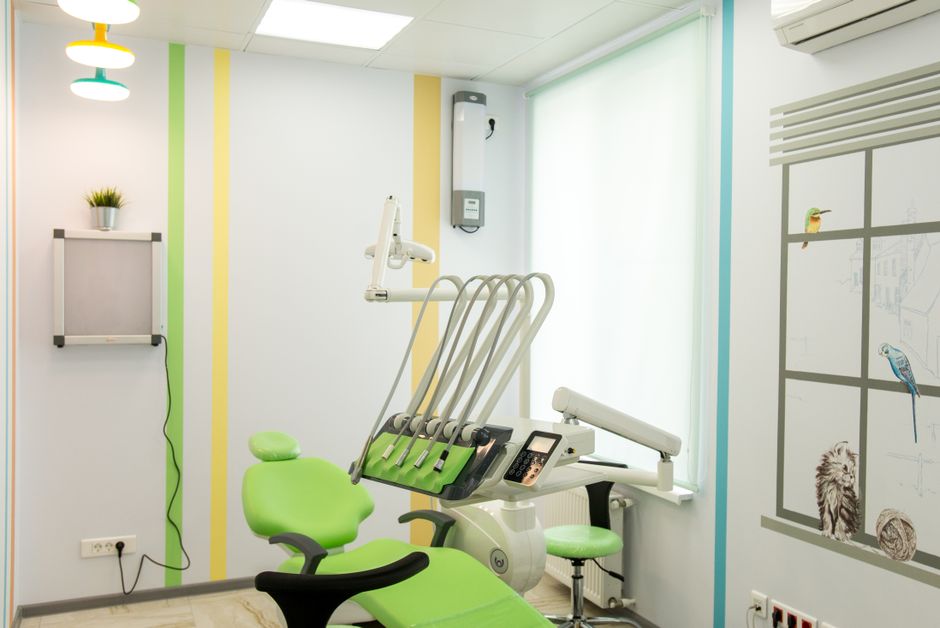
For some people, a dental visit is hard before anything has even happened. The smell of the clinic, the bright overhead light, the whine of a handpiece, the taste of polishing paste, the feeling of a stranger's hands near the face: any one of these can be enough to make the whole appointment feel impossible.
If that sounds familiar, you are in good company, and you are not being difficult. Sensory sensitivity is common, and it shows up in many forms. Causes vary: sensory processing differences, autism, anxiety left over from a bad experience years ago, or simply finding noise and touch more intense than the people around you do.
This guide is for adults, and for parents of children, in Coquitlam who have been putting off routine dental care for these reasons. It will not diagnose anything or promise a particular result. It describes what tends to help, and how to ask for it.
Why avoiding the dentist makes things harder
Skipping visits feels like relief in the short term. The trouble is that small dental problems usually stay small only when someone is looking at them regularly. A routine check lets a dentist notice early changes before they become uncomfortable or urgent.
When a problem does grow, the visit that follows is often longer and more intense than the routine one would have been. That is the cruel part of avoidance: it can turn a manageable situation into exactly the kind of overwhelming appointment you were trying to dodge.
So the goal is not to push through. The goal is to make the first step small enough that it is possible.
Start with a conversation, not a chair
One of the most useful things you can do is contact the clinic before you book anything clinical. A phone call or an email is a perfectly reasonable place to begin.
You can say something as simple as: "I find dental visits very overwhelming, and I would like to understand how a first visit could go." A good front-desk team hears versions of this regularly. You do not need to explain your history or justify yourself.
Ask whether a shorter first appointment is possible, and whether it can be a meeting and a look around rather than a full examination. Ask what time of day tends to be quietest. Early morning and mid-afternoon are often calmer than the lunch hour or after-school rush, though every clinic is different.
Dentaserv Dental Clinic has looked after patients of all ages in Austin Heights, Burquitlam and Coquitlam for more than 30 years, and you can reach the team at (604) 936-0899 or [email protected] to talk through what you need before you come in.

Name the triggers you already know
Most people with sensory sensitivities know their own patterns well. Before the visit, it helps to write them down. A short list is enough.
- Sound. High-pitched tools, suction, or the general hum of a busy clinic.
- Light. The bright lamp directly overhead, or fluorescent lighting in the room.
- Touch. Gloved fingers, a cold instrument, pressure on the jaw, or a bib around the neck.
- Taste and smell. Flavoured pastes, rinses, or the clinical smell itself.
- Gagging. Many people find that anything toward the back of the mouth is the hardest part.
Hand the list to the dental team, or read it out. It gives them something concrete to work with, and it saves you from explaining in the moment when you are already stretched thin.
Small adjustments that people often find helpful
Dental teams can often adapt parts of a visit when they know what is needed. These are common requests, not a menu of what any one clinic offers, so it is worth asking your own dentist what is possible.
Many patients bring their own headphones or earbuds and listen to music, a podcast or white noise. Sunglasses can soften the overhead light, and some patients ask for a weighted blanket or a small fidget item to hold. One patient wants a running commentary before each step; another wants quiet. Either is fine; the point is that you get to say which.
A few other adjustments are worth knowing about:
- A hand signal for "pause," agreed before anything begins, so that stopping is always an option.
- Breaks built into the appointment rather than saved for emergencies.
- Fragrance-free or flavour-free products, where available.
- Seeing an instrument, and having it explained, before it goes in your mouth.
The pause signal deserves special mention. Many people find that simply knowing they can stop the appointment changes how they feel about it. A visit you could end at any time is a very different experience from one you feel trapped in.
Think about the whole journey, not only the chair
Sensory load starts well before the examination. The drive along Austin Avenue, the search for parking, the crowd on the SkyTrain platform at Burquitlam, the waiting room: each one adds to the total.
It can help to plan the day around the appointment. Leave earlier than you need to, so you are not rushing. If you can, avoid booking a visit right before a stressful meeting or a school pickup. Arrive a few minutes early and ask whether you can wait somewhere quieter, or step outside until you are called.
Afterwards, give yourself some quiet time. Many people feel drained after a visit even when everything went well, and it is reasonable to plan for that.
If you are a parent
Children who are sensitive to sound, touch or new places can have a hard time at the dentist, and a rough first visit can shape how they feel about the next one. A few ideas that parents in Coquitlam often find useful:
Talk about the visit beforehand in simple, honest words. Avoid phrases like "it won't hurt" if you cannot be sure, and avoid using the dentist as a threat. Look at photos of the clinic together if the team can share them. Practise opening wide and sitting still at home, in a playful way.
Ask for a first visit that is only about meeting the team and sitting in the chair. Nothing more needs to happen. A short, calm, successful visit is a good foundation for a longer one next time.
Building up gradually
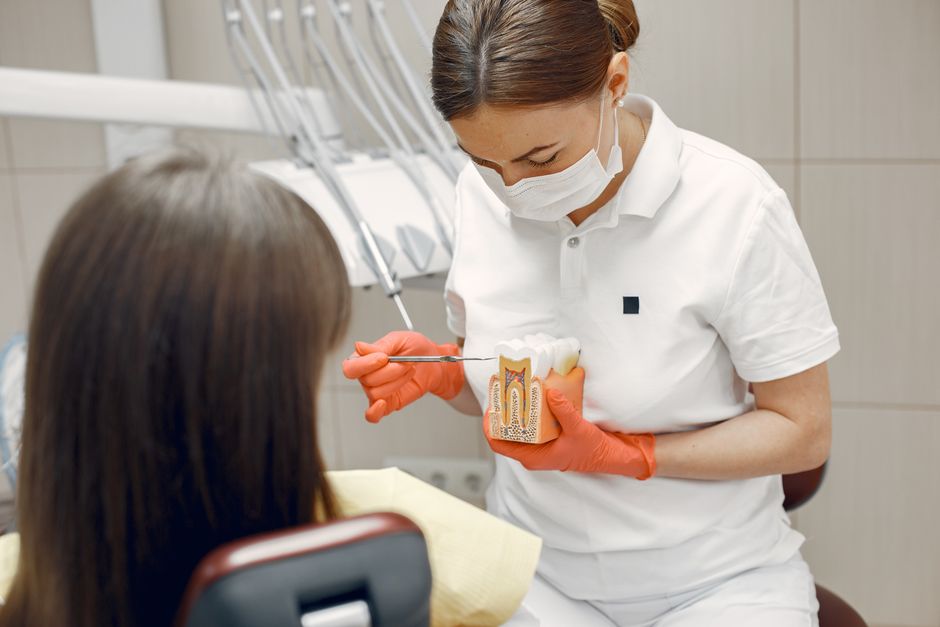
A staged approach suits many people, where each visit adds one small thing. It might look like this: a phone call; a visit to meet the team and see the room; a short appointment for a simple look; then, later, a fuller check-up and cleaning.
There is no required pace. Some people move through those steps in a few weeks and others take months. What matters is that each step ends on a good note, so that the next one feels a little easier.
If the thought of any appointment still feels like too much, say so. Your dentist can talk with you about other options for managing anxiety, and whether any of them are suitable for you is a decision to make together with a clinician, not something a blog post can answer.
What to say on the day
You do not need a speech. A few short sentences are plenty:
- "I get overwhelmed easily, so please tell me before you touch anything."
- "If I raise my hand, please stop."
- "The light and the noise are the hardest parts for me."
Saying them out loud at the start can lower the pressure for the rest of the visit. You have told the team what you need, and now they can help.
The first step is small
Looking after your teeth should not have to cost you an afternoon of dread. If sensory overload has kept you away from routine care, the way back is usually a series of small, patient steps, taken at a speed that works for you.
Start with the conversation. Tell the team what you notice, ask what can be adjusted, and take it from there. The clinic is at 1061 Ridgeway Ave #103 in Austin Heights, and the phone number is (604) 936-0899.