
Moving to a new country brings a long list of things to sort out: a place to live, a bank account, schools, a family doctor. Somewhere on that list is dental care, and it is often the piece people understand the least. The rules are different from what you knew back home, the vocabulary is unfamiliar, and it is hard to know who to trust when you do not yet have friends or neighbours to ask.
If you have recently arrived in Coquitlam or elsewhere in Metro Vancouver, this guide is for you. It explains how dental care is paid for in British Columbia, what public support may be available, and how to choose a family dentist who will make your first visit an easy one.
How does dental care work in British Columbia?
One of the first surprises for many newcomers is that routine dental care is not part of British Columbia's public health insurance. The Medical Services Plan, known as MSP, covers visits to doctors and hospitals, but it does not cover regular check-ups, cleanings, fillings, or most other dental treatment. That work is paid for privately, either out of pocket, through insurance, or with help from a government dental program if you qualify.
In practice, most people cover dental costs in one of three ways. Some have a benefits plan through their employer that pays a share of each visit. Some pay directly and budget for care as they go. And many now qualify for the Canadian Dental Care Plan, a federal program that has changed the picture considerably for families without private insurance.
Because there is no automatic public coverage, it helps to think about dental care the way you think about any other essential service you set up after arriving: something worth arranging early, before a small problem has a chance to grow into a painful one. Many families also find that a first check-up is a good way to understand costs up front. A clinic can walk you through what a cleaning, an exam, or a filling typically involves before you commit to anything, so there are no surprises when the time comes.
What is the Canadian Dental Care Plan, and could you qualify?
The Canadian Dental Care Plan, or CDCP, is a national program that helps cover the cost of dental care for residents who do not have access to private dental insurance. As of 2026 it is open to all eligible residents across every age group, and the earlier age-based waiting periods no longer apply.
To qualify, your adjusted family net income must be under $90,000 per year, you must not have access to dental insurance through an employer, a pension, or a spouse or partner's plan, and you must have filed your most recent income tax return. Eligibility is not limited to Canadian citizens. Permanent residents and temporary residents, including people on work or study permits, can qualify as long as they have filed a Canadian tax return.
That tax-return requirement is the detail newcomers most often miss. The program checks eligibility through the Canada Revenue Agency, which means you need a processed Canadian tax return on file before you can enrol. If you have just arrived, you may need to wait until you have filed your first return and received your Notice of Assessment before applying. It is worth knowing this early so you can plan around it rather than being caught by surprise.
A quick checklist before you book
- Confirm whether your employer offers a dental benefits plan, and if so, what share it covers.
- If you have no private insurance, check your eligibility for the Canadian Dental Care Plan on the Government of Canada website.
- File your Canadian tax return as soon as you are able, since it unlocks access to several benefits, dental among them.
- Ask any clinic you are considering whether they participate in the CDCP before your appointment.
How do you find a family dentist you can trust?
Finding a provider you trust is harder when you are new and do not have a network of people to ask. A few practical signals can help you sort through your options. Look for a clinic that is openly accepting new patients, that is clear about the services it offers, and that participates in the Canadian Dental Care Plan if that matters for your family. Genuine reviews from local patients are useful too, as is a team that treats a first visit as a chance to get to know you rather than to rush you through.
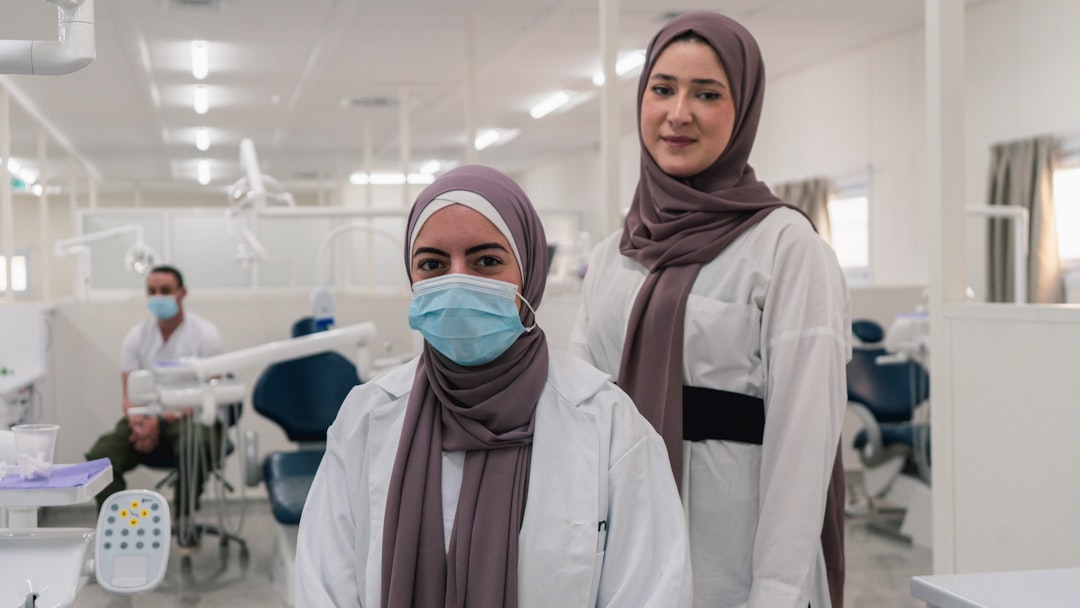
Language matters more than people expect. Explaining a health concern in a second language, especially when you are uneasy, is stressful. A clinic where staff speak your language can turn an anxious appointment into a comfortable conversation. At Dentaserv Dental Clinic in the Austin Heights area of Coquitlam, our team speaks English, Tagalog, Hindi, Punjabi, Mandarin, Korean, and Arabic, which means many newcomers can talk through their care in the language they think in.
It also helps to choose a practice that can care for your whole family in one place. When children, parents, and grandparents can all be seen at the same clinic, scheduling becomes far simpler, and everyone builds a relationship with a team that already knows their history.
What should you expect at your first appointment?
A first visit with a new dentist is usually calm and unhurried. It typically begins with a conversation about your health history and any concerns you have, followed by a gentle examination and often a cleaning. If you have dental records from your previous country, bringing them along gives your dentist helpful background, though it is not essential. This is also the moment to ask questions: about costs, about how billing works with your coverage, and about anything that felt different back home.
Do not worry if it has been a while since your last check-up. Long gaps are common during a move, and a good dental team understands that settling into a new country takes priority for a time. The goal of a first appointment is simply to understand where things stand and to build a plan that fits your needs and your budget, without judgement.
If nerves are part of the picture, that is worth mentioning too. A clinic experienced in gentle, reassuring care, from routine cleanings to more involved treatment, can make a real difference in how comfortable you feel returning.

Settling in with confidence
Dental care in British Columbia works differently from many other places, but the essentials are manageable once you understand them. Routine care is paid for privately, the Canadian Dental Care Plan may help if you qualify and have filed a tax return, and the right clinic can make the whole process feel far less daunting. Sorting this out early means one less worry hanging over your first year in Canada.
When you are ready, a good next step is simply to book a first check-up with a family clinic that welcomes newcomers and can care for everyone under one roof. If you are in Coquitlam or the surrounding Metro Vancouver area, our team at Dentaserv is happy to walk you through your options, answer questions about coverage, and help you feel at home. You can learn more about our family dentistry services and reach out whenever the timing is right for you.