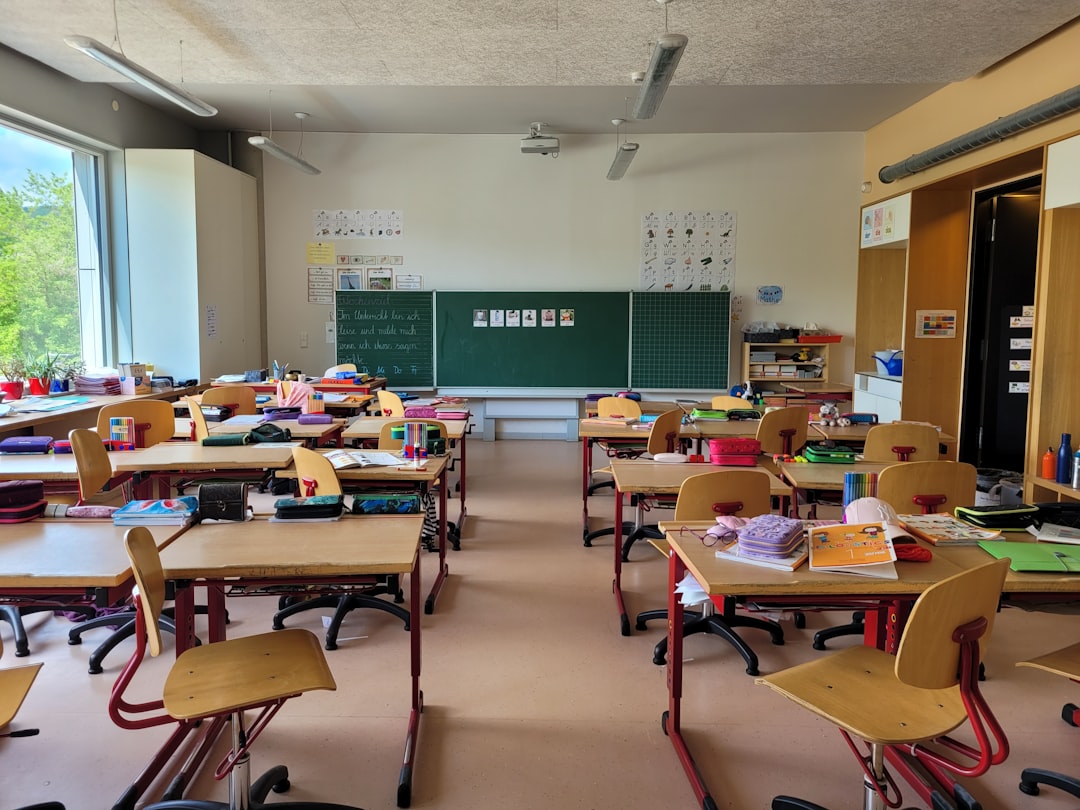
You know the feeling. It's late May, report cards are looming, and somewhere in a drawer at home is a benefits booklet you've been meaning to read since September. Your dental coverage has been sitting there all year, quietly unused, while you've been covering someone else's classroom on your prep block.
This one is for teachers, education assistants, and support staff across School District 43, anyone whose calendar is built around bell schedules rather than their own appointments. Preventive dental care is one of the few benefits that costs you almost nothing to use and gets meaningfully more expensive to skip. Here's how to get it back on your radar without adding another task to a list that's already too long.
Why educators are a higher-risk group than they realize
Teaching is a job that quietly works against your teeth. Long stretches without a proper break mean coffee sipped slowly across two hours instead of finished in ten minutes, and it's the duration of the sugar and acid exposure, not the volume, that drives enamel erosion. A travel mug nursed from 8:30 to lunch keeps your mouth in an acidic state far longer than a cup finished quickly.
Then there's clenching and grinding. Stress-related bruxism often happens at night, which is exactly why people miss it. The signs show up in the chair long before they show up in your awareness: flattened chewing surfaces, small vertical cracks in enamel, tenderness along the jaw muscles, or a dull morning headache you've written off as poor sleep. Add dry mouth from talking all day (reduced saliva means less natural buffering against decay) and you have a professional profile that genuinely benefits from consistent monitoring.
None of this is alarming on its own. It's simply the case that a hygiene visit catches these patterns while they're still cosmetic, rather than after they've become structural.
What "use it or lose it" actually means for your plan
Most extended health plans, including those administered for BC school district employees, work on an annual maximum that does not roll over. Whatever portion of your dental allowance goes unclaimed by the end of your plan year simply disappears, and the clock restarts.
The detail worth checking: plan years aren't universal. Some benefit plans run on a calendar year, resetting January 1. Others align to a policy year that may start mid-year. Coverage percentages and annual maximums also vary between employee groups within the same district, teachers, support staff, and exempt staff often sit on different schedules entirely.
So rather than assuming, spend five minutes confirming three things with your plan administrator or your Pacific Blue Cross member account:
The three numbers worth knowing
- Your plan year end date; this is your actual deadline, and it may not be December 31.
- Your annual dental maximum and how much remains; most insurers show a running balance in your online member portal.
- Your recall frequency limit, plans typically cover cleanings at a set interval (every six or nine months, for example). Booking before that interval has elapsed can mean the claim is reduced, even when you have room left in your maximum.
That last one catches people out. Having budget available and being eligible for a covered cleaning are two separate conditions, and both have to be true.
How often should you actually be going?
The Canadian Dental Association's position is that recall intervals should be set individually rather than by a blanket rule. Frequency is determined through a risk assessment that considers decay history, gum health, oral cancer screening, and how your mouth is changing over time, and that interval can legitimately shift across your life.
In practice, many adults land on a six-month rhythm. But if you have a history of gum disease, wear a nightguard, take medication that causes dry mouth, or manage a condition like diabetes, your dentist may recommend a shorter interval. Conversely, some patients with consistently stable oral health are comfortably maintained on a longer schedule.
The point is that this is a conversation, not a default. If nobody has explained why you're on the interval you're on, that's a reasonable question to ask at your next visit.
Fitting appointments around a school schedule
The practical obstacle for most educators isn't motivation; it's that dental offices and schools keep overlapping hours. A few approaches that tend to work:
Book at the year boundary. The first two weeks of July and the last two weeks of August are the least contested time in an educator's calendar. If you're reading this in the spring, booking a summer appointment now means it exists before the end-of-year scramble consumes your attention.
Stack the household. If your own kids are patients too, scheduling family appointments in sequence turns three separate errands into one. Practices offering family dentistry can typically arrange back-to-back appointments across different ages.
Use professional development days deliberately. Non-instructional days are already on the district calendar months ahead. Pick one, book against it, and it's handled.
Choose proximity honestly. A clinic ten minutes from your school is a clinic you'll actually get to. For staff working in the Austin Heights, Burquitlam, and central Coquitlam corridor, keeping the drive short removes one of the most common reasons appointments get rescheduled into oblivion.
What a preventive visit involves
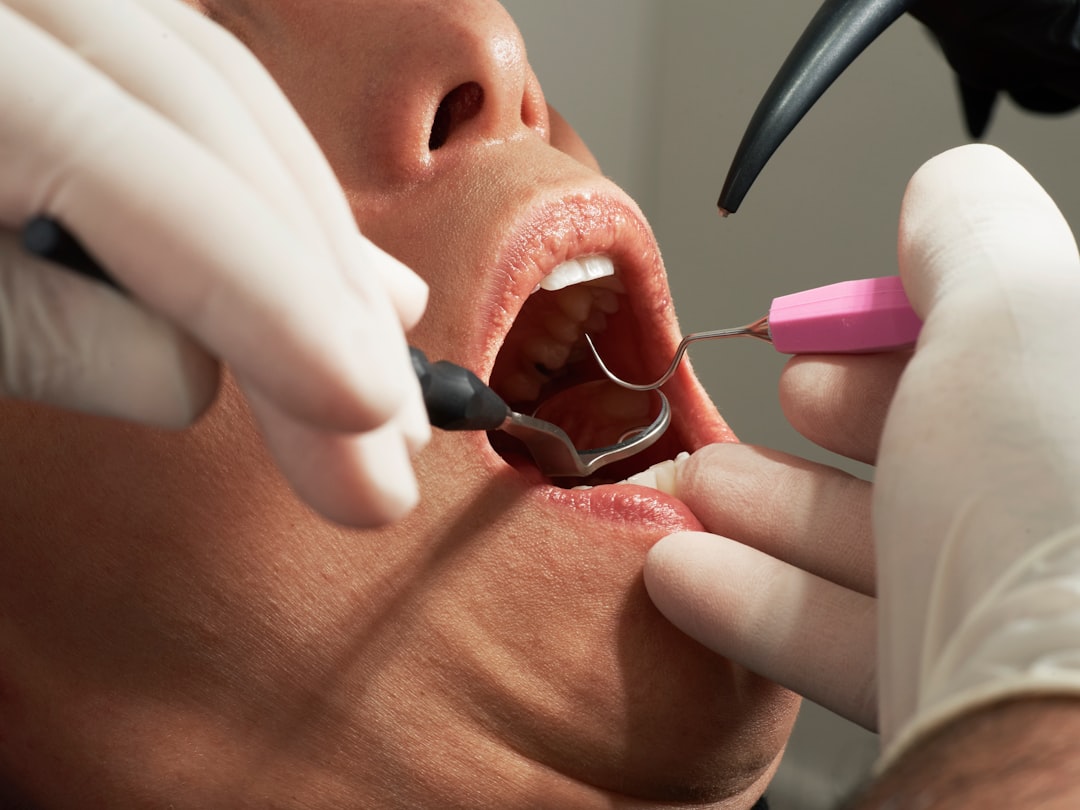
A standard recall appointment is more thorough than "a cleaning," which is part of why it's worth protecting. A registered dental hygienist removes plaque and hardened tartar from areas brushing and flossing can't fully reach, particularly below the gumline. Your gum tissue is measured and charted, which is how early gum disease gets identified; it's typically painless in its initial stages, so measurement is the detection method.
The dentist then examines your teeth and existing restorations, checks your bite and jaw function, and performs an oral cancer screening of the soft tissues. Depending on your interval and history, radiographs may be taken to look at what's happening between teeth and below the surface. Fluoride application and, for younger patients, sealants may be recommended.

Most of this takes under an hour. The value is cumulative: a hygienist who has seen your mouth several times notices change, and change is what matters clinically.
A note on the Canadian Dental Care Plan
If you have a partner, parent, or adult child without employer dental coverage, the Canadian Dental Care Plan may be relevant to them. It's a federal program for Canadian residents without access to private dental insurance who meet the income eligibility requirements, and it covers a range of preventive and restorative services through participating providers.
It doesn't apply to you if you're covered through your employment (the two aren't stackable in that way) but it's a genuinely useful thing to know about for family members whose situations are different. Confirming that a clinic participates in the CDCP is worth doing before booking on someone else's behalf.
Making it happen this year
The honest summary: educators lose dental benefits to the calendar more than to indifference. The coverage is negotiated on your behalf, funded whether or not you use it, and structured so that unused portions quietly expire. A single phone call to confirm your plan year end date, followed by a booked appointment, converts a lapsing benefit into actual preventive care.
If you're in Coquitlam and looking for a practice that understands how a school-year schedule works, Dentaserv Dental Clinic is on Ridgeway Avenue in Austin Heights, with free parking behind the building and a team that speaks English, Tagalog, Hindi, Punjabi, Mandarin, Korean, and Arabic. Dr. Lorene Balmaceda Lederer has been practising for over 30 years, and the clinic participates in the CDCP. You can reach the office to check availability around your non-instructional days, or simply to ask what recall interval makes sense for you.