
The first weeks back at school move fast. Between setting up your classroom, meeting new students, and finding your rhythm again, the last thing on your mind is a dental appointment. That is exactly how a whole benefit year can slip by unused.
If you work for School District 43 here in Coquitlam (as a teacher, an education assistant, or in any role with an extended health and dental plan) this checklist is for you. A little planning now means you actually use the coverage you have already paid into, and you catch small problems before they turn into the kind of toothache that pulls you out of the classroom.
Why do so many educators leave dental coverage unused?
It rarely comes down to not caring about your teeth. It comes down to timing. Most dental plans run on a calendar year, resetting on January 1, while your working life runs on a school-year rhythm that peaks with report cards, holidays, and exam season. By the time the term calms down, the benefit deadline has quietly passed.
Dental plans for BC educators generally include an annual maximum, a ceiling on what the plan will pay toward your care in a given year. On one teachers' plan, that combined dental maximum sits around $1,750 per person per calendar year. Whatever you do not use before the reset date does not roll over. It simply disappears, and the counter starts again from zero.
That structure quietly rewards people who plan ahead and penalizes those who wait. Two routine cleanings and an exam spread across the year cost you little or nothing out of pocket on most plans, but only if you book them while the coverage is still available.
When do your dental benefits actually reset?
This is the detail that trips people up most, so it is worth checking carefully rather than assuming. The "year" your benefits follow is almost never the school year.
- Calendar-year plans reset on January 1. Anything unused as of December 31 is gone. This is the most common setup for BC teachers' dental coverage.
- Annual maximums are per person, so every member of your family on the plan has their own ceiling to use or lose.
- Coverage tiers usually differ by service, preventive care such as cleanings and exams is often covered at a higher percentage than major work, which makes routine visits the most efficient way to use your plan.
- Waiting until December is risky, because appointment books fill up fast in the last few weeks of the year, and any follow-up treatment may not fit before the reset.
If you are not certain how your specific plan works, your district's benefits administrator or your union benefits office can confirm your reset date and remaining maximum. It takes one email, and it removes all the guesswork from the rest of this checklist.
How does preventive care keep small problems from becoming emergencies?
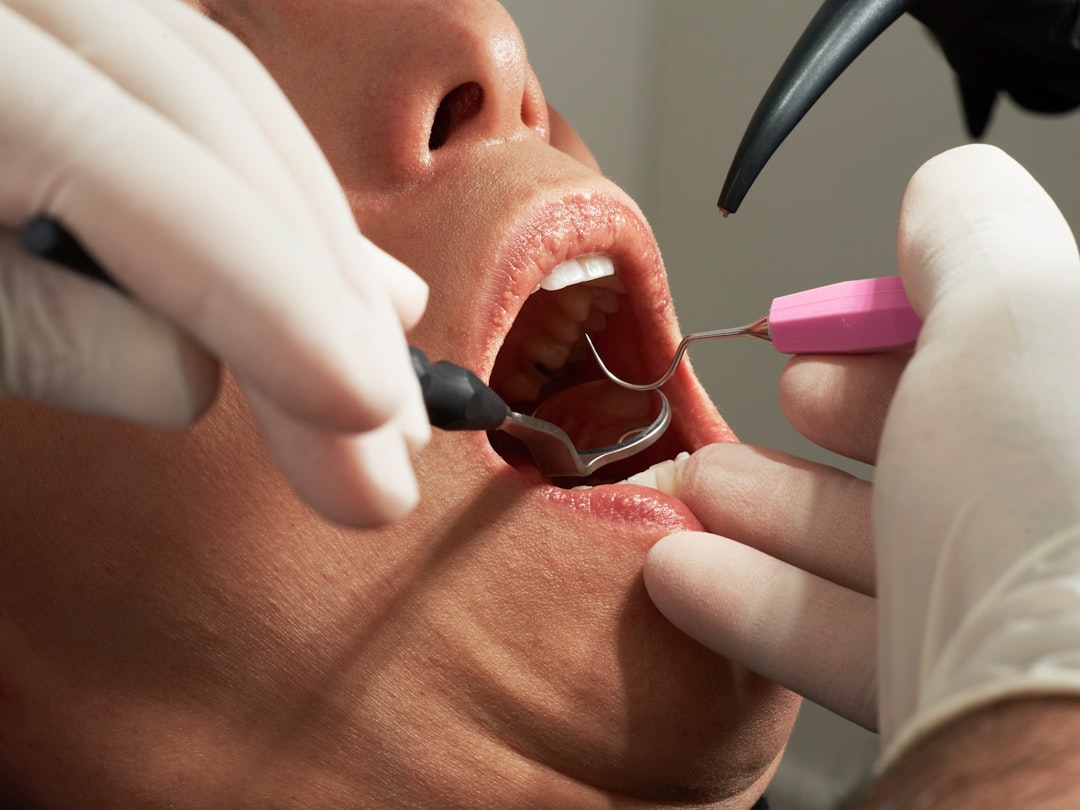
The real value of using your benefits early is not just financial. It is that a routine visit is designed to find trouble while it is still small and painless. A cavity caught at an exam is a quick filling. The same cavity ignored for eight months can become a cracked tooth, an infection, or a root canal, the kind of problem that flares up on a Tuesday morning when you have a full teaching day ahead.
A preventive appointment does a few things at once. A registered dental hygienist removes the hardened plaque that brushing cannot reach, which protects your gums. Your dentist checks for early decay, worn spots, and signs of grinding, something many educators do without realizing it during stressful stretches of the year. And you leave with a clear picture of anything worth watching, so nothing surprises you mid-semester.
For teachers especially, that predictability matters. It is far easier to schedule a planned visit during a professional development day or a school break than to scramble for an emergency appointment when pain hits during instructional time. Prevention also tends to keep costs inside your annual maximum, since the small, routine work found early is exactly what your plan is built to cover. You can read more about what a routine visit includes on our preventive dentistry page.
What should you book before the year runs out?
You do not need to fit a year of dental work into one appointment. For most people, using benefits well means a short, sensible sequence rather than a marathon. A reasonable plan for the fall looks like this: start with a cleaning and exam now, early in the school year while your coverage is fresh and the schedule is calmer. If the exam turns up anything (a small filling, a worn crown, a spot to monitor) you still have months of runway to book the follow-up before the December reset.
Booking your children's appointments in the same window helps too, since each person on your plan has their own annual maximum and children's preventive care is usually well covered. Families in Austin Heights and across Coquitlam often find it easiest to group visits together after school or on a non-instructional day, so the whole household is handled in one trip.
If it has been more than a year since your last visit, this is the moment to reconnect with a clinic rather than wait. Getting on the schedule now, while the term is young, keeps your options open.

How do you fit a dental visit into a teacher's schedule?
The honest answer is that you plan around the fixed points in your year. Professional development days, the fall and spring breaks, and the occasional early dismissal are natural windows. Booking a few weeks ahead almost always lands you a better time slot than trying to squeeze in last minute. If mornings before the first bell or later afternoons work best, say so when you book, a local clinic that knows the community can usually accommodate the rhythms of school staff.
Being close to home helps as well. A clinic in your own neighbourhood, like our practice in Austin Heights, means a checkup does not eat your whole prep period or evening. Our multilingual team (with care available in English, Tagalog, Hindi, Punjabi, Mandarin, Korean, and Arabic) reflects the diversity of the SD43 community, and you can meet the people who will care for you on our team page before you ever walk in.
The takeaway for SD43 staff
Your dental benefits are part of your compensation, and they reset whether or not you use them. The educators who get the most from their plans are simply the ones who book early, while coverage is full and the calendar is quiet, and who treat a routine cleaning as maintenance rather than a reaction to pain.
A good next step is a two-minute check of your plan's reset date and remaining maximum, followed by a call to book a cleaning and exam for sometime this fall. If you have family members on the plan, add their names to that same booking so no one's coverage is left behind. Do those things and you will head into the busiest part of the school year knowing your dental health is handled, and that none of the coverage you earned this year quietly went to waste.