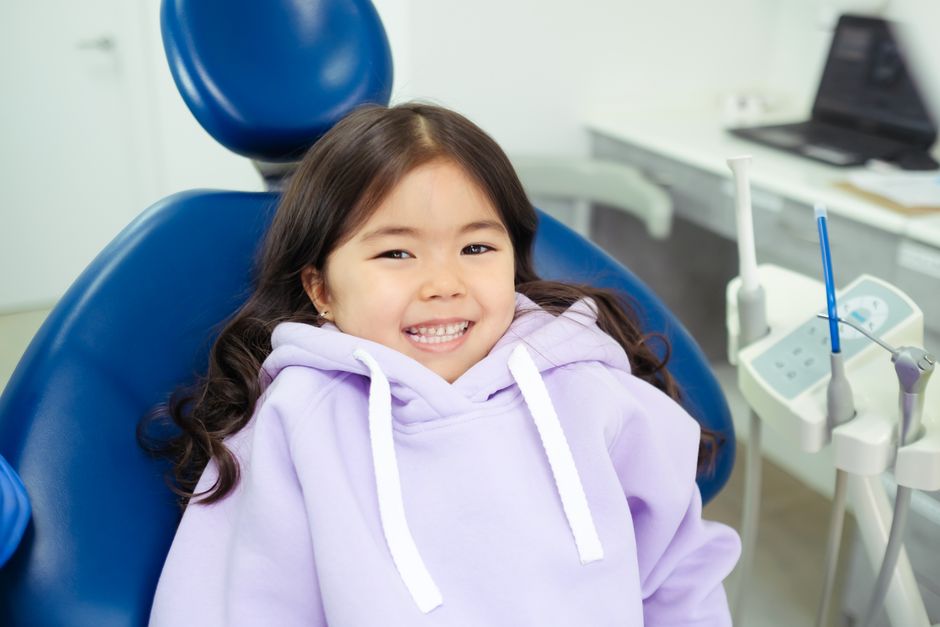
The boxes are unpacked, or at least the ones with the kettle and the school lunch containers are. The new house in Coquitlam is starting to feel like yours. Then a text from the old dentist's office lands: the kids are due for their six-month visit, and you have no idea who to call here.
Dental care tends to slide down the list after a move. It is rarely urgent, nobody sends a reminder about it, and there are a hundred other forms to fill out. This post is about fitting it back into daily life in the Tri-Cities without turning it into another project.
Start with what you already have
Before you search for anything, gather the paperwork you carried over. A short pile is enough:
- The name and address of the previous dental office, so records can be requested.
- Any recent X-rays or treatment notes you were given.
- Your extended health plan details, if one comes through work.
- A note of anything ongoing: a filling someone wanted to watch, a retainer, a child's loose tooth that has been loose for weeks.
Most offices can request records for you once you sign a release form. It helps to ask for them early, because they can take a little while to arrive. Your first appointment goes more smoothly when the new dentist can see what came before.
Pick a dental home near where you actually spend time
A dental office can be wonderful and still be a bad fit if getting there is a chore. Think about your real week. Where do the school run, the commute and the grocery shop take you?
If you live up on Burke Mountain and work downtown, a clinic along your route may beat one three minutes from the driveway. If you work from home near Austin Heights, a clinic you can reach on foot after school pickup changes how easy it is to keep appointments. Families who take SkyTrain on the Evergreen Line may prefer somewhere a short walk from a station in Burquitlam.
Convenience matters more than it sounds. Appointments get rebooked when parking is a headache. They get kept when the clinic fits the rhythm you already have.
What a first visit usually looks like
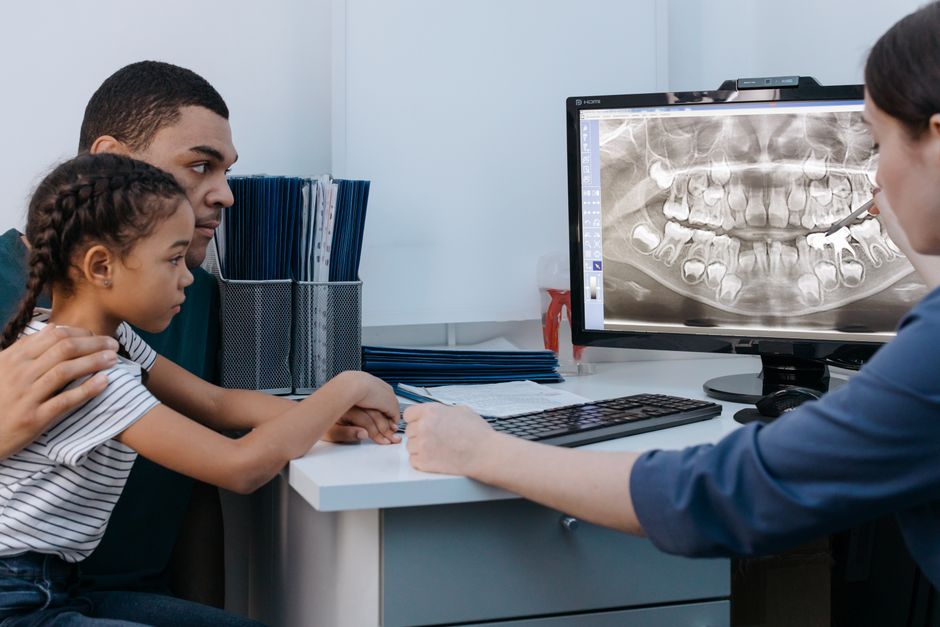
Parents often worry that a first visit means being handed a long treatment list. In general, it is closer to an introduction. The dental team will ask about health history, check teeth and gums, and may take X-rays if they do not have recent ones. They will talk through what they see and what, if anything, should be looked at over time.
That conversation is your chance to ask how the office works. A few questions worth bringing along:
- Can the whole family be seen on the same day, or back to back?
- How are recall visits arranged, and how do you get reminded?
- What happens if a child chips a tooth after hours?
- Which forms of payment and direct billing does the office work with?
Ask the front desk, too. They are the people you will deal with most. Note whether they listen and whether the answers feel clear and unhurried.
Bringing children along without drama
Children pick up on a parent's nerves quickly. If you are tense, they will be tense. A few habits tend to help:
- Talk about the visit in plain, neutral words. "The dentist will count and look at your teeth" works better than a speech about not being scared.
- Skip phrases like "it won't hurt." They can plant the very idea you want to avoid.
- Book at a time of day when your child is usually rested and fed.
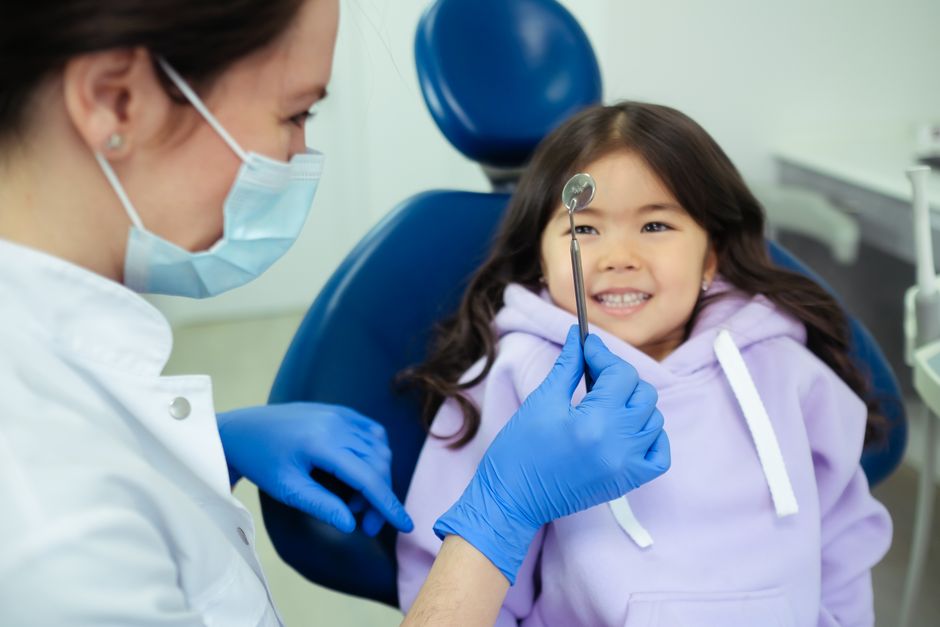
- Let them see the chair and meet the team before anything happens, if the office allows it.
If your child has had a rough dental experience before, say so at the start. A good dental team would rather know and adjust than find out halfway through.
Make the routine small enough to keep
A dental routine only works if it survives a busy Tuesday. Big plans collapse. Small ones stick.
Brushing is the obvious one. Two minutes, morning and night, with fluoride toothpaste in the amount your dentist recommends for your child's age. Many families find it easiest to hang brushing on something that already happens, like pajamas or breakfast. Younger children usually need a grown-up to help or at least to check, since the skill takes years to develop.
Then there is the calendar. Rather than trying to remember when the next visit is due, book the next appointment before you leave the office. Put it in the family calendar with the school-year dates in view. Many parents in School District 43 plan around pro-D days and spring break, since those are the days kids are free and nobody has to leave class early.
A few other small habits are worth adding:
- Keep a spare toothbrush in the bag you take on outings.
- Choose water as the default drink between meals.
- Notice sports. If anyone in the house plays hockey, soccer or basketball, ask your dentist about mouthguards.
Sorting out the coverage question
Payment is often the real reason a family delays finding a dentist. Coverage varies a lot, and it is easy to assume the worst.
Some families have extended health through an employer, with plans from providers such as Pacific Blue Cross. Others may be looking at the Canadian Dental Care Plan, which the federal government runs for eligible residents. Eligibility rules and what is covered change, so the dependable move is to check the current details on the official Canada.ca page and with your plan administrator.
When you call a clinic, ask what they can do directly with your insurer and what you would pay on the day. Dental offices handle these questions all the time. You are not being awkward by asking.
Know who to call when something goes wrong
Children fall off scooters. Teeth get knocked. A toothache can show up on a Sunday night. It is much easier to cope when you already know where to phone.
Once you have chosen a dental home, save its number in your phone under something obvious. Ask whether they offer guidance for urgent situations outside regular hours. For serious injuries, such as significant facial trauma, head injury or swelling that affects breathing or swallowing, go to the emergency department at Eagle Ridge Hospital or call 911 rather than waiting for a dental appointment.
A gentle first step
You do not have to solve everything this month. One phone call is enough to begin: ask for records to be sent, ask whether the clinic is welcoming new patients, and book a time that works around school.
At Dentaserv, we have been caring for patients in Austin Heights, Burquitlam and across Coquitlam for more than 30 years, and we see all ages. New to the area and unsure where to start? Call us at (604) 936-0899 and we will talk you through it.
The house will keep settling in. Your family's dental care can settle in with it, one small habit at a time.