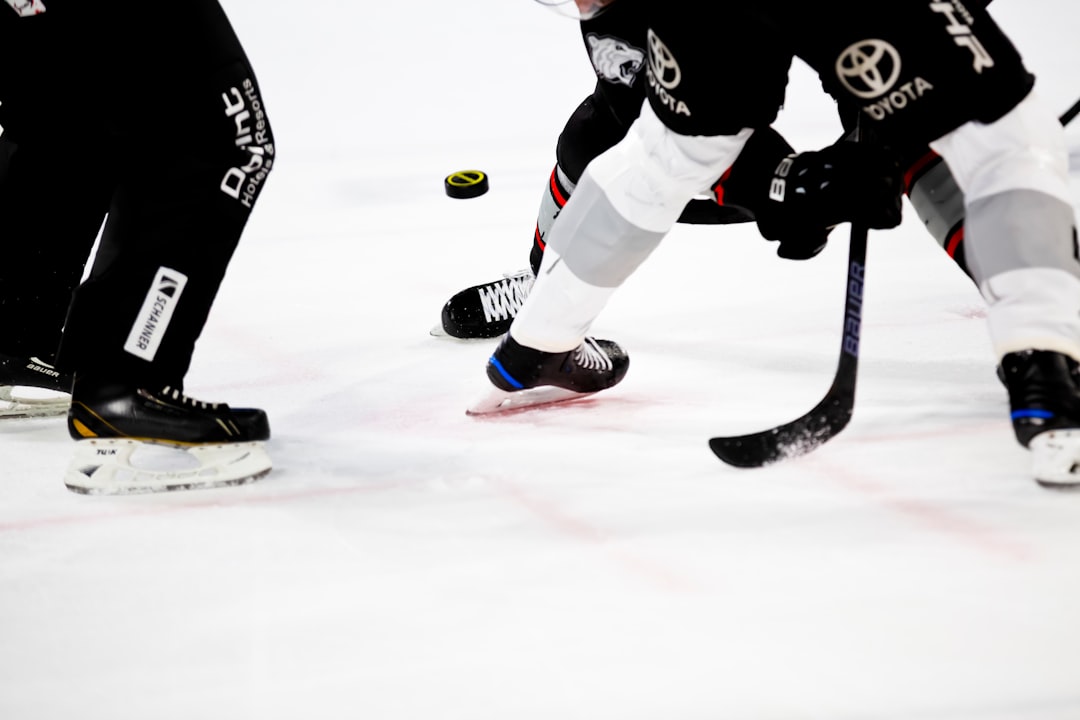
You are at SportChek in Coquitlam Centre, gear bag in hand, and there is a wall of mouthguards in front of you. A two-pack for $4. A “pro fit” boil-and-bite for $25. A small sign at the back mentioning custom mouthguards through a dental clinic, for considerably more. Your kid’s first hockey practice of the season is in three hours, and the coach said “make sure they have one” without specifying which kind.
If you have already decided your young athlete needs a mouthguard (most Burke Mountain hockey, lacrosse, and rugby parents reach that conclusion fast) the next question is which one actually does the job. This post unpacks what the science says about the three options, and why most of the protective difference between them comes down to one word: fit.
The Three Options on the Sporting Goods Wall
Stripped down, mouthguards on the consumer market fall into three categories, and almost every product you will see at a Coquitlam sporting goods store maps to one of them.
Stock guards are the cheapest, pre-formed, one-size-most-fits-some, designed to be pulled from the package and held in the mouth by clenching. They were the original mass-produced mouthguard and remain widely used for casual or recreational play. Boil-and-bite guards are the most common category in youth sports today. They are made of ethylene-vinyl acetate (EVA), a thermoplastic that softens in hot water. The user bites down to shape the material around their teeth before it cools. Custom-fit guards are made from a digital scan or putty impression of your child’s actual teeth, then fabricated in a dental lab from layered EVA at a controlled thickness. They come from a dentist, not a store.
That summary makes the three sound like points on a price ladder. The interesting part is what happens to each one when an actual impact arrives.
What the Lab Tests Actually Show
Mouthguard materials are tested two ways: how much force they transmit when struck, and how that performance holds up after weeks of wear. Both numbers matter, and they do not favour every product equally.
For force transmission, the published research is consistent: thickness over the biting surfaces is the single biggest determinant of how much energy reaches the teeth. Biomechanics studies in the dental traumatology literature have shown that force transmitted through EVA is inversely related to thickness, thicker absorbs more. The clinical sweet spot most commonly cited is around 3 to 4 millimetres where it counts, which is enough to absorb meaningful impact without making the guard so bulky that kids gag or refuse to wear it.
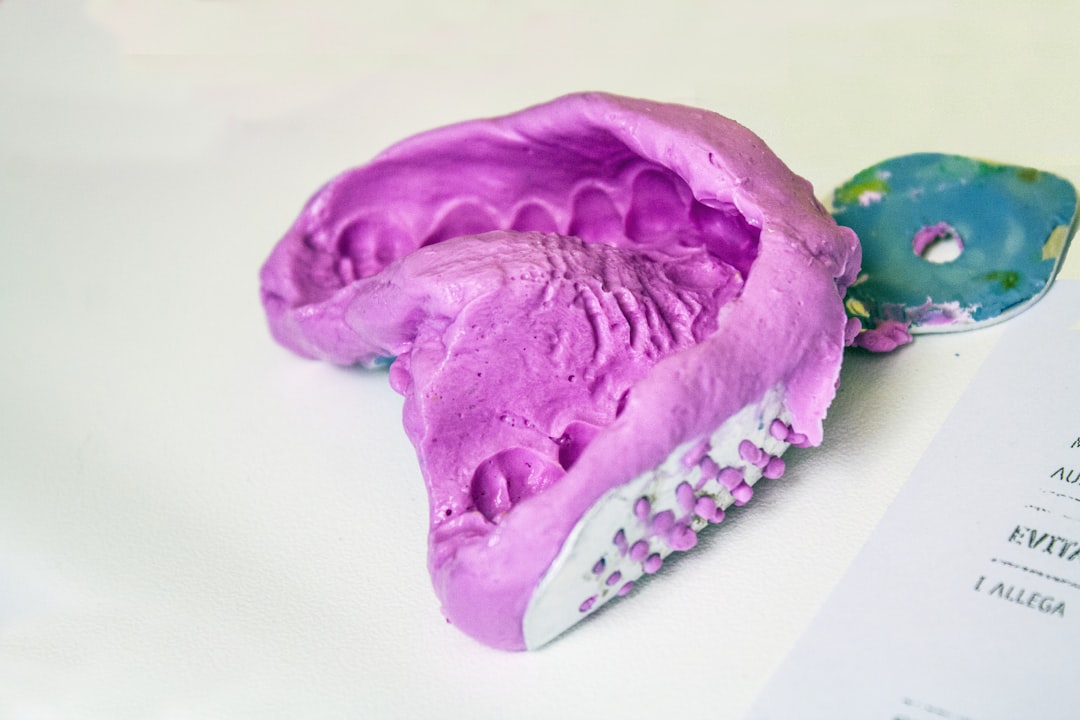
That is where the wear data gets interesting. A frequently cited dental traumatology dataset found that by the time injuries occurred, the boil-and-bite guards involved had been worn down to roughly 1.3 millimetres, about a third of their starting thickness. The reason is simple: when material softens in hot water and is shaped by biting pressure, the area over the front teeth thins out the most, and continued nervous chewing during games and practices wears it down further. A custom-fit guard is fabricated to keep consistent thickness exactly where impacts land, because the lab knows in advance where the front teeth are and builds the layering around them.
This is the part many parents find counterintuitive. The protective gap between a stock guard, a boil-and-bite, and a custom guard is not really about the EVA itself. It is about whether the EVA is still in the right place, at the right thickness, on the day of the hit.
Why Fit Matters More Than Material
Two guards made of the same compound can perform very differently if one stays in place and the other does not. This is where custom-fit appliances pull ahead in the research, and it is the single most useful concept for parents comparing options.
A guard that does not stay seated has to be clenched to remain in the mouth. Clenching tires the jaw, restricts breathing, and (most importantly for protection) means the guard is wedged into a position that does not necessarily line up with where it absorbs force best. Kids who clench all game are also the kids who spit the guard out at the next whistle. Any Junior A coaching staff will tell you the same thing: a mouthguard sitting on the bench has a zero percent success rate.
What “fit” actually involves
- Retention without clenching, a guard that hugs the upper teeth and palate so kids can talk, breathe, and call for the puck without holding it in.
- Consistent thickness at the bite surface, controlled during fabrication, not in your child’s mouth at home with a stopwatch and a kettle.
- Coverage to the second molars, protects against the lower jaw being driven up into the upper teeth, which is where a lot of “I don’t know how that happened” trauma comes from.
- Accommodation for braces or mixed dentition, important for the 9-to-14 age range when permanent teeth are still erupting.
None of those four properties is impossible to find in a boil-and-bite, but none of them is reliably present either, because the shaping is done by an eleven-year-old on a kitchen counter following package instructions.
What Goes Into a Custom-Fit Guard at a Dental Clinic
If you have never had a custom mouthguard made, the process is shorter than most parents expect. The first appointment is usually 20 to 30 minutes: a quick exam, a conversation about the sport and any orthodontic work, and either a digital scan or a putty impression of the upper teeth. The impression goes to a dental lab, where layered EVA is pressure-formed over a stone model of the teeth and trimmed to the right coverage. About a week later you come back for a five-minute fit check and your child picks colours, solid red and white for Coquitlam Express fans, or whatever team palette they want.
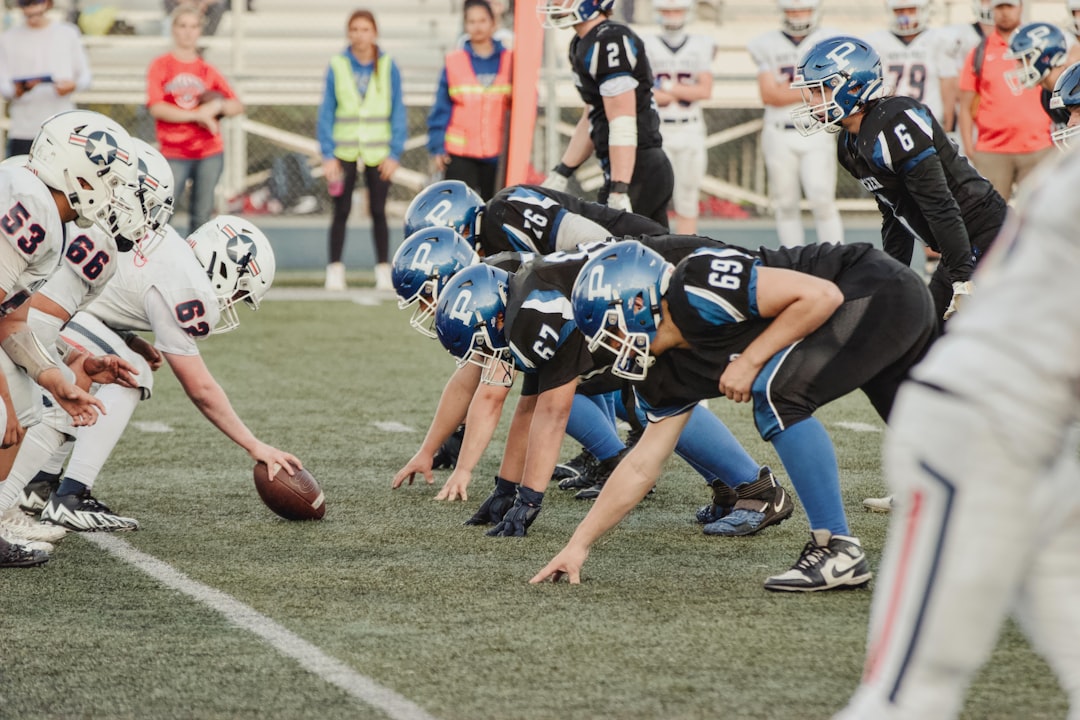
The other piece that gets overlooked is growth. A custom guard made for a ten-year-old will not fit a twelve-year-old, but a dental clinic that already has the impression on file can refabricate at a fraction of the original cost and turnaround. Boil-and-bite users tend to size up the same way, just less precisely, by buying a new package each season.
What This Means for Burke Mountain Families
For families in Austin Heights, Burquitlam, and Burke Mountain whose kids play organized contact sport more than once a week, the practical recommendation that emerges from the research is straightforward. Stock guards are appropriate for a one-off recreational game or as an emergency backup. Boil-and-bite guards are a reasonable starting point for a child trying a new sport for a first season. Custom-fit guards are the option that holds their protective properties across a full season of practice, scrimmage, and play, and are the ones most likely to actually be worn, which is the entire point.
If your young athlete is mid-season and tolerating a boil-and-bite, you are not making a mistake. If your young athlete is starting their second or third year of regular contact play, refusing to wear the boil-and-bite because it is uncomfortable, or moving up an age division where contact intensity steps up, custom-fit is the option the science supports.
As the official dental clinic of the Coquitlam Express Hockey Team, Dentaserv has fitted custom guards for athletes from house league through Junior A. Dr. Lederer and the team can also coordinate with your child’s orthodontist if braces are involved, and design a guard that accommodates erupting permanent teeth. Most parents fold a mouthguard fitting into a regular family dentistry appointment, clean, exam, fit, all in one visit on Ridgeway Avenue.
The bigger picture worth holding on to is that the protective difference between mouthguard categories is not magic. It is millimetres of well-placed EVA staying where it needs to be. When you understand that, the choice on the sporting goods wall stops feeling like a guess. If you would like to talk through whether a custom guard makes sense for your child’s sport and stage, you can book a consultation at our clinic any week of the hockey season.