
A toothache has a way of taking over. One minute you are getting on with your evening, the next you are running your tongue over a sore spot, wondering whether it will settle by morning or whether you should be worried. And underneath the discomfort sits a harder question: is this something that can wait for a regular appointment, or is it an emergency?
This is for anyone in Coquitlam trying to make that call, the person weighing whether to phone a dentist tonight or ride it out until the weekend passes. The good news is that dental emergencies follow fairly predictable patterns. Once you know which signs point to urgency and which usually do not, the decision becomes far less stressful.
What actually makes a toothache an emergency
In dentistry, an emergency is not defined by how loud the pain is on a given evening; it is defined by risk. A situation is urgent when there is active infection that could spread, uncontrolled bleeding, trauma to a tooth that can still be saved, or pain severe enough that it cannot be managed at home. The common thread is time: waiting makes the outcome worse.
That is a helpful lens, because pain on its own is not always a reliable guide. A shallow cavity can produce a surprisingly sharp jolt to cold water, while a slow, deep infection can build for days with only a dull ache. Rather than judging by intensity alone, it helps to look at the specific warning signs dentists watch for, the ones that tend to signal a problem is moving in the wrong direction.
It also helps to notice how the pain behaves over time. A toothache that flares briefly and settles is telling you something different from one that arrives and simply stays, or one that returns a little stronger each day. Keeping a mental note of when the pain started, what sets it off, and whether it is easing or building gives a dentist far more to work with when you call, and it often makes the urgency of your situation clearer to you as well.
Warning signs that mean you should act now
Some symptoms are worth taking seriously even if the pain itself feels manageable. If you notice any of the following, it is a reason to call a dentist promptly rather than wait and see.
Red flags that call for urgent dental care
- Swelling in your face, jaw, or gums, especially when it is spreading or paired with a bad taste, which can point to an infection collecting at the root.
- Fever alongside the toothache, a raised temperature suggests bacteria may have moved beyond the tooth into surrounding tissue.
- Severe, constant throbbing, pain that keeps you awake, worsens when you lie down, or does not ease with over-the-counter relief.
- A knocked-out or loosened permanent tooth, timing is critical here, and the sooner you are seen the better the chance of saving it.
- Bleeding that will not stop, ongoing bleeding from the gums or a socket after injury needs prompt attention.
A knocked-out tooth deserves a special note, because minutes genuinely matter. Clinical guidance is consistent that a permanent tooth reimplanted within about 30 minutes has the best chance of surviving, with success rates falling as more time passes. If a tooth is knocked out, handle it by the crown rather than the root, keep it moist (ideally in milk or tucked against the inside of the cheek) and get to a dentist as fast as you safely can.

When it is a hospital emergency, not just a dental one
A smaller set of symptoms goes beyond what a dental office is equipped to handle and calls for a hospital emergency room. Medical sources agree on these: difficulty breathing or swallowing, swelling that is spreading down the neck or up toward the eye, or a fever with significant facial swelling. These can be signs that an infection is reaching deeper tissues, and they need immediate medical care rather than a wait for a dental appointment.
These situations are uncommon, and most toothaches never come close to them. But they are the reason it is never wise to simply push through a serious, worsening infection for days on end. If you are ever unsure whether swelling has crossed that line, treat it as urgent; it is always better to be checked and reassured than to wait on something that is genuinely moving fast.
The aches that can usually wait for a regular visit
Not every twinge is a crisis, and it helps to know what typically falls into the routine category. Brief sensitivity to hot, cold, or sweet foods that fades within a few seconds is often early, mild irritation rather than an emergency. A small chip with no pain, a lost filling that is not causing sharp discomfort, or mild gum tenderness after a vigorous flossing session can generally wait for a normal appointment.
The key word is stable. If a symptom is mild, tied to an obvious trigger, and not getting worse over a day or two, it is usually reasonable to book a standard visit rather than seek same-day care. What changes the picture is escalation, pain that climbs, swelling that appears, or a dull ache that becomes constant. Any of those shifts moves a problem out of the wait-and-see column, so it is worth paying attention not just to how a tooth feels now, but to which direction it is heading.
What to do in the hours before you are seen
Once you have decided to get help, a few simple measures can make the wait more bearable. Over-the-counter pain relievers taken as directed can take the edge off, and a cold compress held against the outside of the cheek may ease both pain and swelling. Rinsing gently with warm salt water can soothe irritated gum tissue, and sleeping with your head slightly raised sometimes calms the throbbing that intensifies when you lie flat.
In the meantime, be gentle with the tooth: chew on the other side and steer clear of very hot, very cold, or very sweet foods that provoke the nerve. What these steps cannot do is treat the underlying cause; they buy comfort, not a cure, and a toothache that has flared once will usually return until a dentist addresses the source. Think of home care as a bridge to your appointment, not a replacement for it.
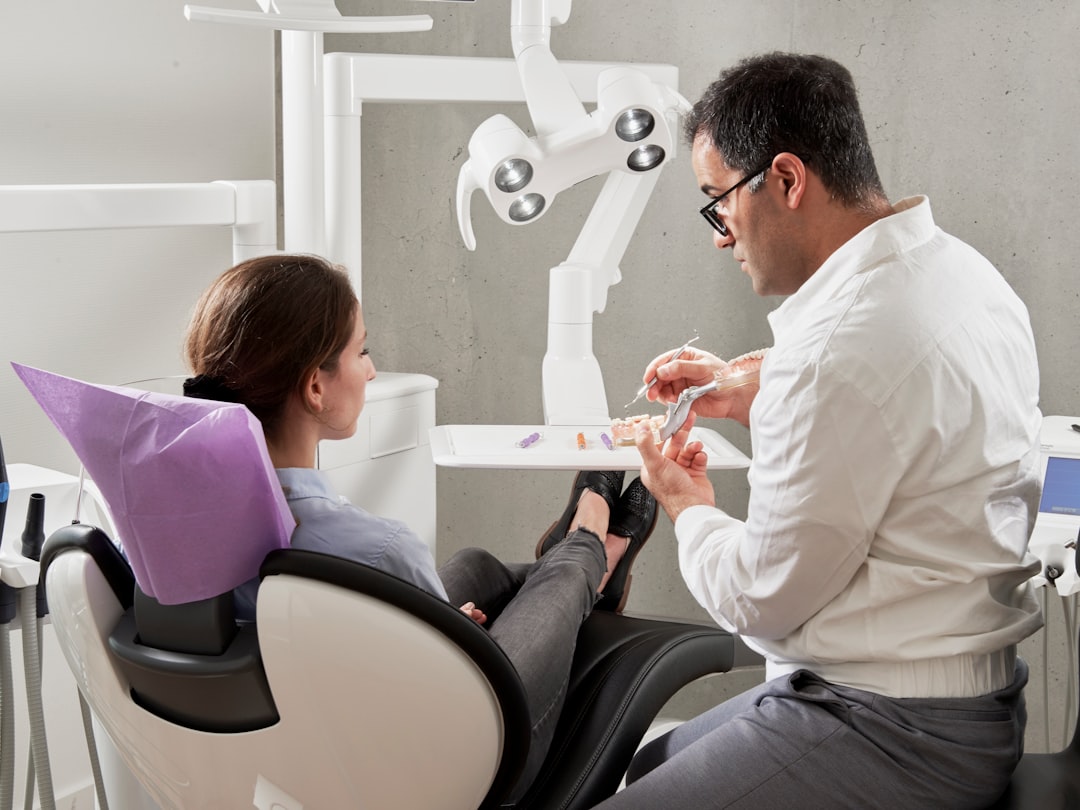
You do not have to make the call alone
The hardest part of a toothache is often the uncertainty, not knowing whether you are overreacting or underreacting. The reassuring reality is that you do not have to diagnose yourself. A dental team can listen to your symptoms and tell you how quickly you need to be seen, which takes the guesswork off your shoulders entirely.
If you are in the Austin Heights area of Coquitlam and unsure whether your tooth pain counts as an emergency, the most useful next step is simply to describe what you are feeling to people who can help. Our family-led, multilingual practice (we speak English, Tagalog, Hindi, Punjabi, Mandarin, Korean, and Arabic) is here to help you sort out what is happening and get comfortable again. You can learn more about our services or reach out through our contact page. With a toothache, a quick conversation is almost always better than a long, uncertain night.