
It usually happens on a video call. The camera is a little too close, the light from the window is a little too honest, and for a second you notice your own front teeth in the corner of the screen. They look shorter than you remember. The edges are a bit see-through. There is a grey line along an old crown that was never there in your wedding photos.
For a lot of people who spend their days in meetings, presentations and client lunches, that moment is the first time they think about restorative dentistry at all.
This post is for anyone in Westwood Plateau, Coquitlam or the wider Tri-Cities who has started to notice that their smile looks more tired than they feel. It covers what tooth wear and aging dental work usually look like, and what a dentist can generally do about them.
Wear is normal. Fast wear is worth a look.
Teeth are built to last a lifetime, but they are not built to stay unchanged. Every meal, every coffee and every night of sleep leaves a small mark. Over decades, that adds up to flatter edges and a smile that slowly loses some of its height.
Some wear is simply age. The question a dentist asks is whether the wear is moving faster than it should, and what is driving it.
The usual causes fall into three groups:
- Grinding and clenching. Usually at night, and usually without the person knowing. It flattens biting surfaces and can chip the front edges of teeth.
- Acid. Coffee, sparkling water, wine, citrus and acid reflux all soften enamel for a short time after contact. Brushing hard during that window wears it away faster.
- Mechanical wear. A hard toothbrush, an aggressive brushing style, or habits like chewing pens and ice can wear notches near the gumline or at the edges.
Most people have a mix of all three. Sorting out which one is doing most of the damage is the part a dentist is trained to do, and it shapes what comes next.
Dental work ages too
If you had fillings, crowns or bonding done in your twenties or thirties, those restorations have been working hard ever since. Like anything that gets used every day, they show their age eventually.
Common signs include:
- A dark or grey line where a crown meets the gum, often because the gum has receded slightly and exposed the edge
- Tooth-coloured fillings or bonding that have picked up stain and no longer match the teeth beside them
- Older silver fillings with small cracks around their edges
- A crown or filling that feels rough to the tongue, or that catches floss
- Front teeth that look uneven because one has been repaired and the others have kept wearing
None of these automatically means something needs replacing. Plenty of older dental work is still sound and simply looks its age. A dentist can tell you which pieces are doing their job, which ones are worth watching, and which ones may be letting decay in underneath.

Why it shows up at work first
Professionals tend to notice wear before anyone else does, for practical reasons. You see your own face on screen for hours a week. You smile at people you have just met. You speak for a living, and front teeth that have lost length can change how a smile looks when you talk.
There is also the stress side. Long weeks, tight deadlines and a commute along Lougheed Highway or the Barnet into Vancouver are a reliable recipe for clenching. Many people only find out they grind when a dentist points out the flat spots, or when a partner mentions the noise.
That matters.
Restoring worn teeth without dealing with the grinding behind it is a bit like patching a roof while the storm is still going.
What restorative care can involve
Restorative dentistry is a broad term. It covers anything that repairs or replaces tooth structure, from a small filling to a full set of crowns. For wear and aging dental work, the options a dentist might talk through usually include:
- Bonding. Tooth-coloured material added to chipped or worn edges. It is conservative and can often be done in a single visit.
- Replacing older fillings. Swapping a stained or leaking filling for a new one that matches the tooth.
- Crowns. A cap that covers a tooth that has lost a lot of structure, or replaces an older crown that no longer fits well.
- Veneers. Thin shells bonded to the front of teeth, sometimes used where wear is mostly cosmetic.
- A night guard. A custom appliance that takes the force of grinding so the teeth and any new work do not have to.
Which of these makes sense depends entirely on the mouth in front of the dentist: how much tooth is left, how the bite comes together, what the gums look like, and what the patient wants. Two people with similar-looking wear can end up with very different plans.
For more extensive wear, treatment is often done in phases. The most urgent issues come first, and cosmetic work follows once the foundation is stable. That approach also tends to fit better around a full calendar.
What the first conversation looks like
A restorative assessment usually starts the same way as a regular checkup, with a few extra questions. Expect to talk about when you first noticed the change, whether you wake up with a tight jaw or headaches, what you drink during the day, and what bothers you most about how your teeth look.
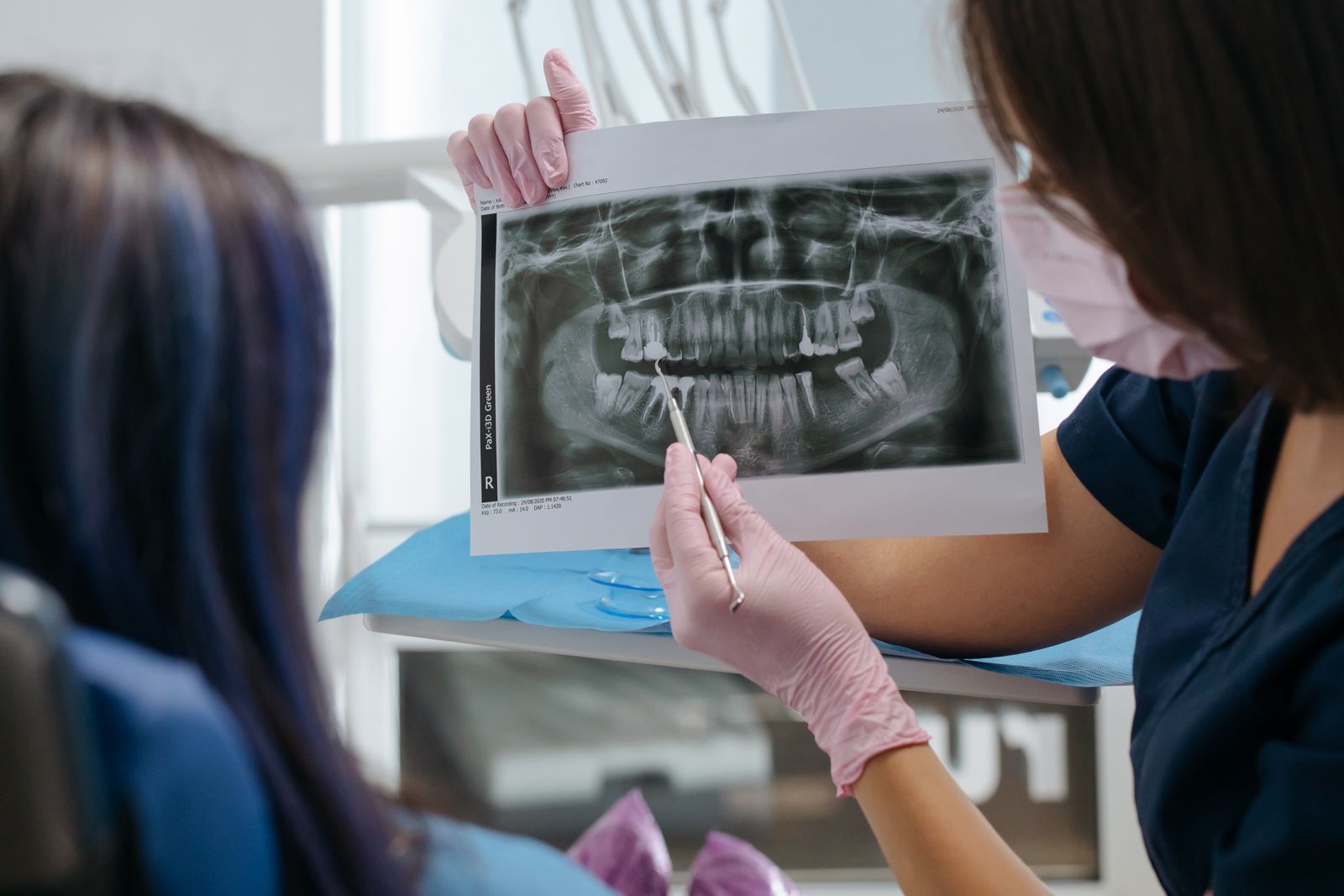
The dentist will look at the wear pattern, check older restorations, and may take X-rays to see what is happening under existing fillings and crowns. Photos are sometimes taken so you can see what the dentist sees, which is often more useful than a mirror.
Then comes the part people appreciate most: a plain explanation of what is going on and what happens if you wait.
A good plan gives you room to decide.
Small habits that slow wear down
Whatever you decide about treatment, a few daily habits help protect what you have:
- Use a soft toothbrush and let the brush do the work. Scrubbing harder does not clean better.
- Wait about thirty minutes after coffee, wine or citrus before brushing.
- Sip water between coffees, and rinse after acidic drinks.
- Notice when you clench. Many people catch themselves doing it at the desk or in traffic.
- Keep regular cleanings and checkups, so changes are spotted while they are still small.
A practical next step
If your smile has started to look older than you feel, that is a reasonable thing to bring up at your next dental visit. You do not need a plan in mind. Mention what you have noticed, ask what is causing it, and ask what your options are.
Dentaserv has been caring for patients from Austin Heights, Burquitlam and across Coquitlam for more than thirty years, and a conversation about worn teeth or older dental work fits easily into a regular appointment.