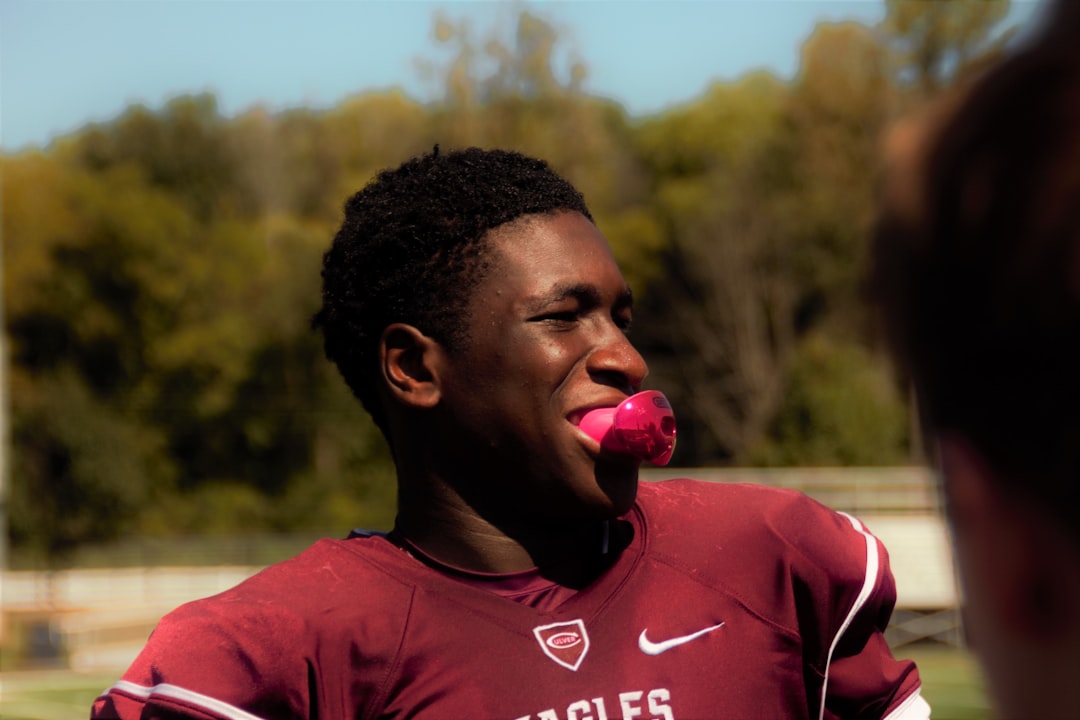
Every Burke Mountain parent knows the sound. A stick clatters against the boards at the rink off Pinetree Way, a player goes down on the turf at Town Centre Park, and for a split second the bench falls quiet. Most of the time, your child pops back up. Sometimes they do not, and when the injury involves the mouth, the next call you make is to your family dentist.
If your kid plays hockey, lacrosse, rugby, soccer, or basketball anywhere in the Tri-Cities, the question is not whether they will take a hit to the face at some point. It is whether they are wearing something between their teeth and that hit when it happens. This post is for Coquitlam parents who want to understand what high-impact play actually does to a young mouth, and how the right protection meaningfully reduces the risk.
What Counts as “High-Impact” in Local Youth Sports
When sports medicine researchers talk about high-impact sports, they are describing activities where collisions, falls, or projectiles regularly occur at speeds that can fracture bone or knock out teeth. For families in Coquitlam, Burquitlam, and Port Moody, that list is longer than many parents realize.
The obvious ones are ice hockey at Poirier Sport & Leisure Complex or Planet Ice, lacrosse at Poirier Forum, and ball hockey on the outdoor rink at Town Centre Park. Less obvious (but still considered moderate to high risk by the American Academy of Pediatric Dentistry) are soccer on the lit turf fields at Town Centre, basketball at the community courts, baseball at the Town Centre diamonds, rugby, and even skateboarding at the skate park. Falls, elbows, knees, sticks, and balls all find a way to the mouth.
The Journal of the American Dental Association has reported that as many as 39% of dental injuries occur during sports. Many of those happen during practice, not games, because practice is where intensity is high and protective habits are often relaxed.
What a Dental Injury Actually Looks Like
Dental trauma in young athletes generally falls into a few categories, and each one tells a slightly different story about why protection matters.
A chipped or fractured tooth is the most common. A small piece of enamel breaks off after contact with a stick, ball, or another player. It may not hurt, but the structural integrity of the tooth is now compromised. An intruded tooth is pushed up into the jaw on impact, easy to miss because the tooth still appears in place, just shorter. An avulsed tooth is knocked completely out of its socket; for permanent teeth, this is a true dental emergency where the first hour matters enormously. Less visibly, the nerve and root can be bruised even when the tooth itself looks unharmed, which sometimes shows up months later as discolouration or an abscess.
{{IMAGE_2}}
The reason this matters for parents of young athletes is that the front teeth (the ones most exposed to contact) are not just cosmetic. They guide bite alignment, support speech, and in children, hold space for adult teeth that are still forming. A trauma at age 11 can mean restorative work that follows your child into adulthood. That is the real cost-benefit equation behind a mouthguard.
How a Mouthguard Reduces the Force That Reaches Your Teeth
A mouthguard is not magic. It is a piece of engineering. When an impact lands on the jaw or face, force travels through bone, tissue, and teeth. A properly fitted guard does three useful things: it cushions the direct blow to the front teeth, it spreads the load across a wider surface area instead of concentrating it on one or two teeth, and it separates the upper and lower jaws so they do not slam together.
That last function is the one most parents do not think about. A surprising amount of dental and jaw trauma in contact sports comes from the lower teeth being driven up into the upper teeth, not from a stick or puck at all. A guard that holds the jaws slightly apart absorbs much of that energy.
A 2020 study from the University of Calgary, published in the British Journal of Sports Medicine, found that mouthguard use was associated with a 64% reduction in the odds of concussion among youth ice hockey players. The same biomechanics that reduce concussion risk (energy absorption and load distribution) are what protect the teeth.
What separates a custom-fit guard from a generic one
- Thickness where it counts: a guard moulded from an impression of your child's actual teeth keeps consistent thickness over the front teeth, where impact is most likely.
- Stable retention: a guard that stays put without being clenched lets your child breathe, talk to teammates, and call for the puck, so they actually keep it in.
- Room for growth: a dental clinic can plan the fit around erupting permanent teeth, orthodontic work, or a child mid-treatment with braces.
- Comfort that lasts the third period: generic guards often loosen as they warm and soften; a custom guard does not.
The Practice Gap: Where Most Trauma Actually Happens
Ask a coach where they see the most injuries and you will rarely hear “the championship game.” You will hear about Tuesday-night practice. Players are tired, scrimmages get chippy, and the bench supervision that exists during games is thinner. Many young players are also more relaxed about wearing protective gear at practice, a mouthguard sitting on the bench is doing nothing for anyone.
For parents in Austin Heights, Burquitlam, and Burke Mountain whose kids practice three or four times a week between Town Centre Park, Poirier, and their school gymnasiums, the math is simple: a mouthguard that is comfortable enough to wear at every practice prevents far more injuries than one that only comes out for games. That is the practical case for custom-fit protection, not that it is dramatically more protective per minute, but that kids actually keep it in.
{{IMAGE_3}}
What to Do If Your Young Athlete Takes a Hit to the Mouth
Even with the best gear, accidents happen. A few things every Coquitlam sports parent should keep in the back of their mind:
If a permanent tooth is knocked out, hold it by the crown (not the root), rinse it gently in milk or saline if possible, and try to place it back in the socket. If that is not possible, keep it submerged in milk and head to a dentist immediately, the first 30 to 60 minutes give the best chance of saving the tooth. For a chipped tooth, save any pieces you can find, and book an appointment within a day or two even if your child says it does not hurt. For a knock that seems “fine” but caused bleeding or shifted a tooth even slightly, get it checked. Hidden root damage is the kind of thing that quietly becomes a bigger problem six months later.
As the official dental clinic of the Coquitlam Express Hockey Team, Dentaserv has spent years working with young athletes and their families across the Tri-Cities. A custom mouthguard appointment at our clinic on Ridgeway Avenue takes a single short visit, a digital or putty impression, a conversation about your child's sport and any braces or growth considerations, and a follow-up to deliver and check the fit. Kids can pick their own colours, which sounds trivial until you realize it is the difference between a guard that gets worn and one that gets lost in a gear bag.
For parents already thinking about family dentistry for the season ahead, building a mouthguard fitting into a regular checkup is the easiest entry point. Dr. Lederer and the team can also coordinate with your child's orthodontist if braces are part of the picture, since a guard worn over fixed appliances has different design requirements.
High-impact play is part of growing up in a hockey town. Dental trauma does not have to be. If your young athlete is on a Burke Mountain rink, a Town Centre Park turf field, or anywhere in between this season, a properly fitted mouthguard is one of the simplest decisions you can make on their behalf, and one you can book a visit for the same week you sign them up for the team.