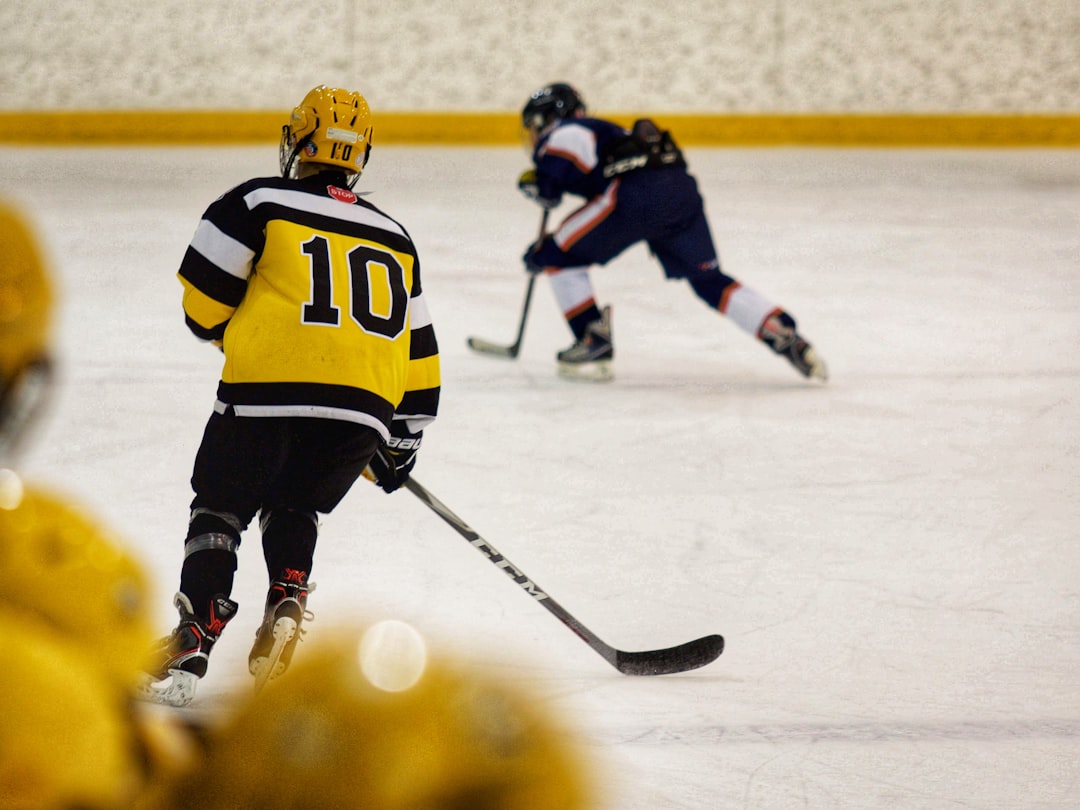
Youth sports season arrives quickly, registrations, gear lists, practice schedules. Most parents tick off the essentials: helmet, shin pads, the right skates. A mouthguard is often the last item added, or skipped entirely in favour of the boil-and-bite version from the sporting goods store. It's an easy shortcut. It's also the one most likely to leave you in an emergency dental appointment mid-season.
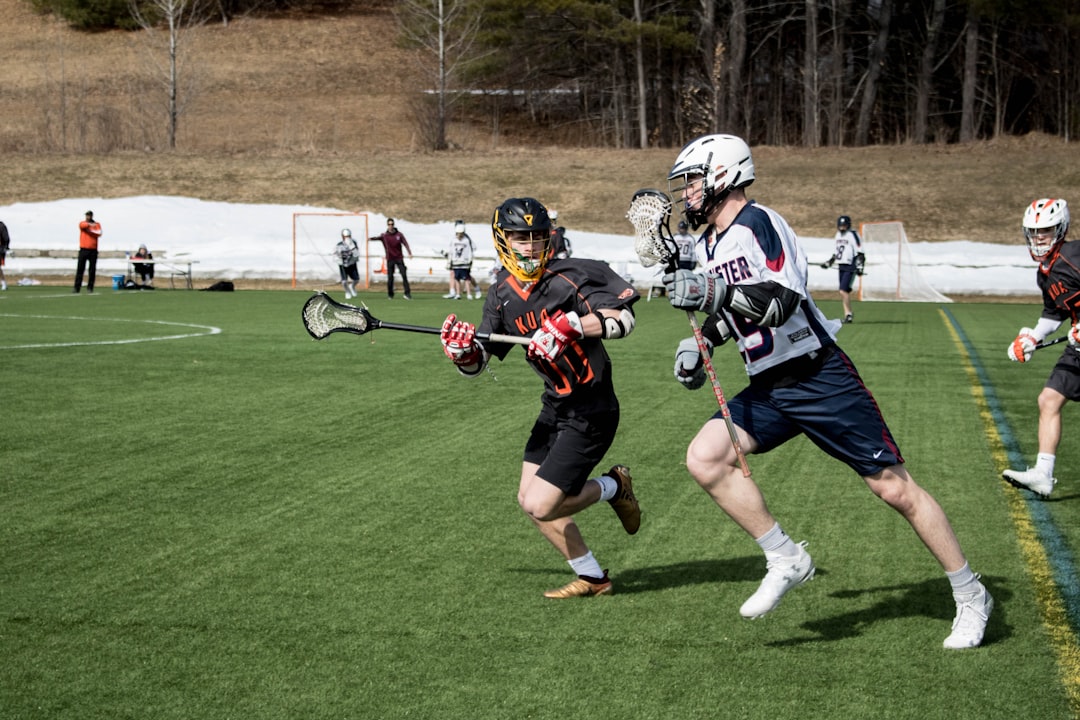
If your child plays hockey at the Port Moody or Coquitlam arenas, trains for lacrosse at Town Centre Park, or is just starting out in soccer this spring, this is worth a few minutes of your time. Dental injuries in sport are more common than most parents expect, and a well-fitted mouthguard is one of the most straightforward ways to prevent them.
How Frequently Do Young Athletes Hurt Their Teeth?
Dental injuries are among the most common sports injuries affecting children and teenagers. Research published through the American Academy of Pediatric Dentistry shows that the overall risk of an orofacial injury is 1.6 to 1.9 times higher when an athlete is not wearing a mouthguard. That's a significant margin for an injury that can mean a chipped, cracked, or knocked-out permanent tooth.
What makes sports-related dental trauma particularly frustrating is that permanent teeth don't grow back. A knocked-out baby tooth resolves itself over time, but damage to an adult tooth (especially in a child between ages 8 and 14 when permanent teeth are still developing their roots) can mean years of follow-up dental work. In many cases, the cost and complexity of restorative treatment far exceeds what a custom mouthguard would have cost in the first place.
Contact sports carry the most obvious risk, but the list of sports where dental injuries occur regularly is longer than most people assume. The American Dental Association recommends mouthguards across a wide range of activities, many of which might surprise you.
The Problem with Boil-and-Bite Mouthguards
The boil-and-bite mouthguard has one thing going for it: it's available at the checkout counter of almost any sports shop. Beyond convenience, the case for it gets thin.
The fit is the main issue. These guards are softened in hot water and pressed roughly into shape around the teeth, but they don't conform precisely to the gumline, the bite, or the natural contours of an individual mouth. Children's jaws and teeth are still changing, a guard that fits adequately in September may sit differently by January. A loose mouthguard shifts during impact, which reduces protection at exactly the moment protection is needed most.
There's also the compliance problem. Kids don't wear uncomfortable gear. A thick, ill-fitting guard that makes it hard to breathe or talk will end up in the equipment bag, not in the mouth. Coaches and referees can enforce rules only so far on the bench or the sidelines.
What a Custom Mouthguard Actually Involves
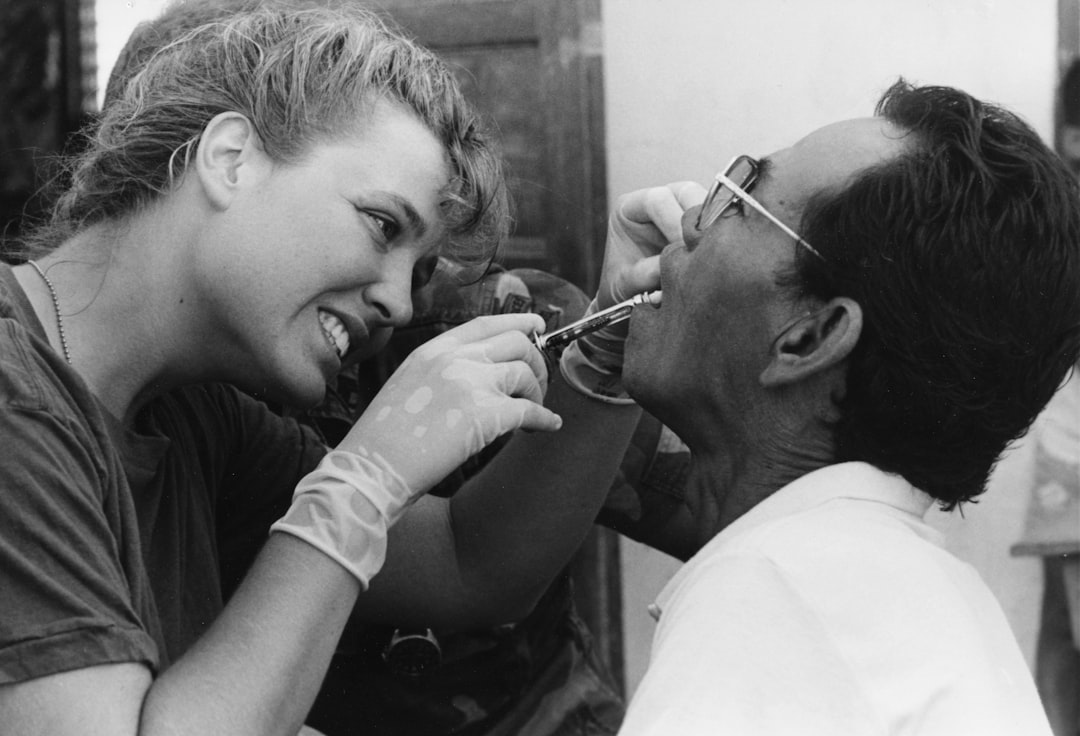
A custom mouthguard starts with an impression of your child's teeth, a quick, comfortable process that takes a single appointment. From that impression, a guard is fabricated from high-quality dental material to fit precisely over your child's teeth and gums. The result sits securely, doesn't shift during play, and allows normal breathing and communication.
Because the fit is accurate, custom guards can be made thinner than stock options while still offering superior protection. That matters for wearability: a child who can breathe comfortably and talk to teammates is far more likely to keep the guard in throughout practice and games.
At Dentaserv, custom mouthguards can also be made in a range of colours and simple designs, which, for a nine-year-old, turns a piece of dental equipment into something they're actually interested in wearing. Matching team colours is a common request. We can usually accommodate it.
What the appointment looks like
- Impression: A dental impression material is used to capture the exact shape of your child's teeth. Takes a few minutes.
- Fabrication: The guard is made from the impression, typically ready within a week or two.
- Fitting: A short second visit to check the fit and make any minor adjustments.
- Replacement: Guards are generally replaced annually for growing children, or sooner if there are significant changes in dentition (new permanent teeth, orthodontic adjustments).
If your child is currently in orthodontic treatment (braces or a retainer) mention this when booking. Guards for patients with orthodontic appliances are a different design, and it's important to get the right one.
Which Sports Should Prompt a Mouthguard Conversation?
Hockey is the obvious one in Coquitlam, and mouthguards are mandatory at most levels of organized play. But if your child is active in any of the following, a mouthguard is worth discussing regardless of whether the league requires one:
Lacrosse, basketball, soccer, rugby, martial arts, gymnastics, mountain biking, skateboarding. Falls and collisions happen in all of them. The teeth most often damaged are the upper front teeth; they're the most exposed and the hardest to protect once injured.
Burke Mountain trails see plenty of young mountain bikers through the warmer months. It's not a sport most families associate with dental protection, but a fall over handlebars has predictable consequences for front teeth. A mouthguard is light, easy to carry, and offers real protection for a sport where helmets are standard but dental guards rarely are.
Dentaserv and the Coquitlam Sports Community
Dentaserv Dental Clinic is the official dentist of the Coquitlam Express Hockey Team, a role that reflects how seriously the clinic takes sports dental health. The team at our Austin Heights clinic, led by Dr. Lorene Balmaceda Lederer with over 30 years of experience, works with young athletes at every level, from recreational leagues to competitive travel teams.
We see the results of both good preparation and missed opportunities. The parents who come in mid-season with a child who has chipped a tooth during a game almost always say the same thing: they meant to get a custom guard done before the season started. The appointment takes less than an hour across two visits. The alternative (a cracked permanent tooth) can take years to fully resolve.
If your child's sports season is approaching, now is the right time to sort this out. Booking before the season starts means the guard arrives before the first practice, and your child has time to get comfortable wearing it before games begin.